Brushing is something we do without thinking, which is exactly why mistakes creep in. A few minutes of the right technique each day protects your teeth from decay and your gums from inflammation far better than hurried brushing ever will.
How often and for how long
Brush twice a day: once just before bed and once at another time of day, usually in the morning. Aim for about two minutes each time. It feels longer than most people expect, so a phone timer can help at first. Night-time brushing matters most, because saliva flow drops while you sleep and leftover plaque has hours to work on your teeth.
Choosing your tools
- A soft-bristled brush with a head small enough to reach your back teeth comfortably.
- A fluoride toothpaste. Fluoride helps strengthen enamel and is one of the best-studied ways to prevent decay.
- Manual or electric: both clean well when used properly. An electric brush can help people who find the technique difficult.
- A fresh brush, or brush head, every three to four months, or sooner if the bristles look splayed.
The technique
Hold the brush at a slight angle towards the gum line, where plaque tends to collect. Use gentle, short strokes or small circles, cleaning one or two teeth at a time. Work around your mouth in the same order every time so nothing gets missed: the outer surfaces, the inner surfaces and the chewing surfaces.
Pressing hard does not clean better. Heavy scrubbing can wear down the gums and the tooth surface over time and may lead to sensitivity. If your bristles flatten quickly, you are probably brushing too hard.
Cleaning between your teeth
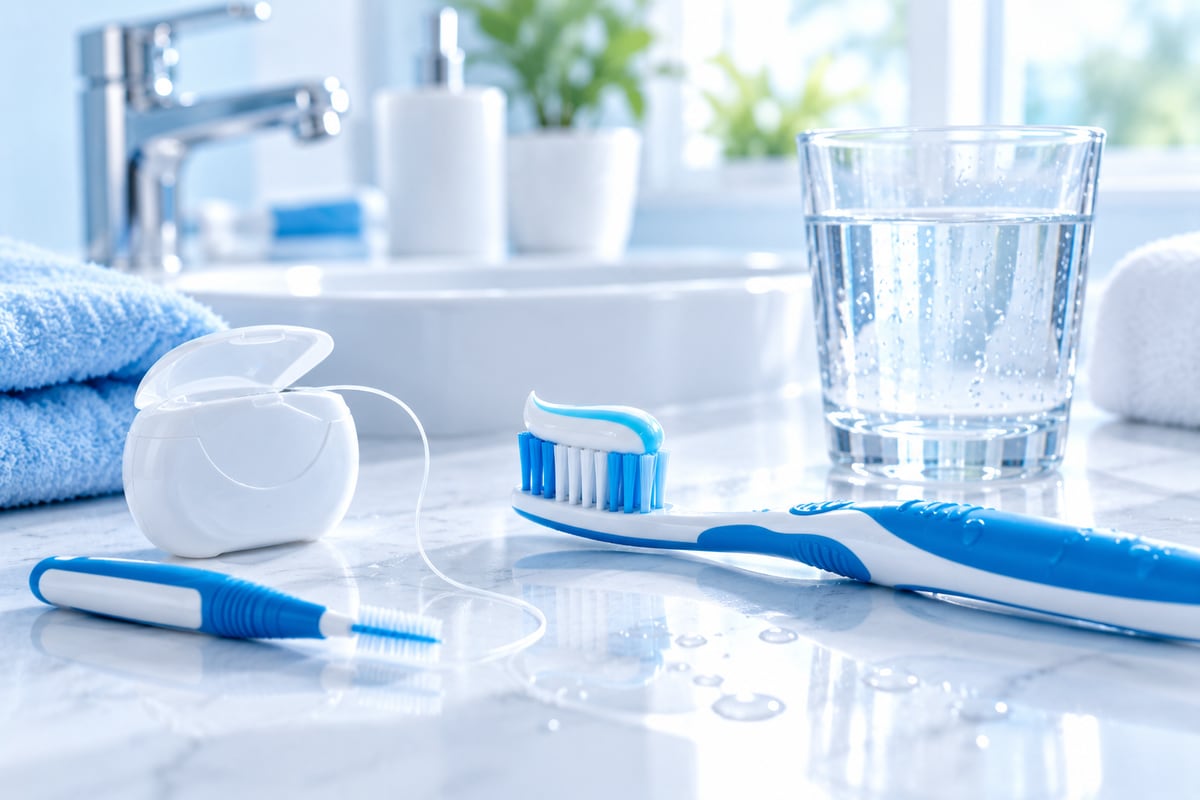
A toothbrush cannot reach the tight spaces between teeth, and that is exactly where decay and gum problems often begin. Clean between your teeth once a day with dental floss or small interdental brushes; your dentist can show you which suits the gaps in your mouth.
When flossing, gently guide the floss between two teeth, curve it around the side of each tooth in a C shape and slide it slightly under the gum line. Avoid snapping it down onto the gum. A little bleeding in the first few days is common while your gums get used to being cleaned. Bleeding that continues for more than a week or two is a good reason to have your gums checked.
Small habits that help
- Clean your tongue gently with your brush or a tongue scraper.
- After acidic food or drinks such as citrus fruit or fizzy drinks, wait about an hour before brushing, as enamel is temporarily softer.
- Keep sweets and sugary drinks to mealtimes rather than snacking or sipping throughout the day.
- Drink water regularly, especially after meals.
A good routine at home, together with regular check-ups, is the most reliable way to keep your natural teeth for life.
This article is general information for education only and does not replace an examination and diagnosis by a dentist. Every case is different, and the right treatment is decided by your dentist after an examination.
Have a question about your own teeth?
Book an examination at Dental Arts and the dentist will check your teeth and calmly explain the options that suit you.