
Bad breath is an awkward problem that is hard to talk about, and many people who have it do not know, because we adapt to our own smell. Others worry intensely about a smell that is not there. What makes it more confusing is that mouthwashes, gums and toothpastes rarely give lasting results — because real treatment starts with finding the source, and more than eighty per cent of cases come from the mouth itself.
Where the smell comes from
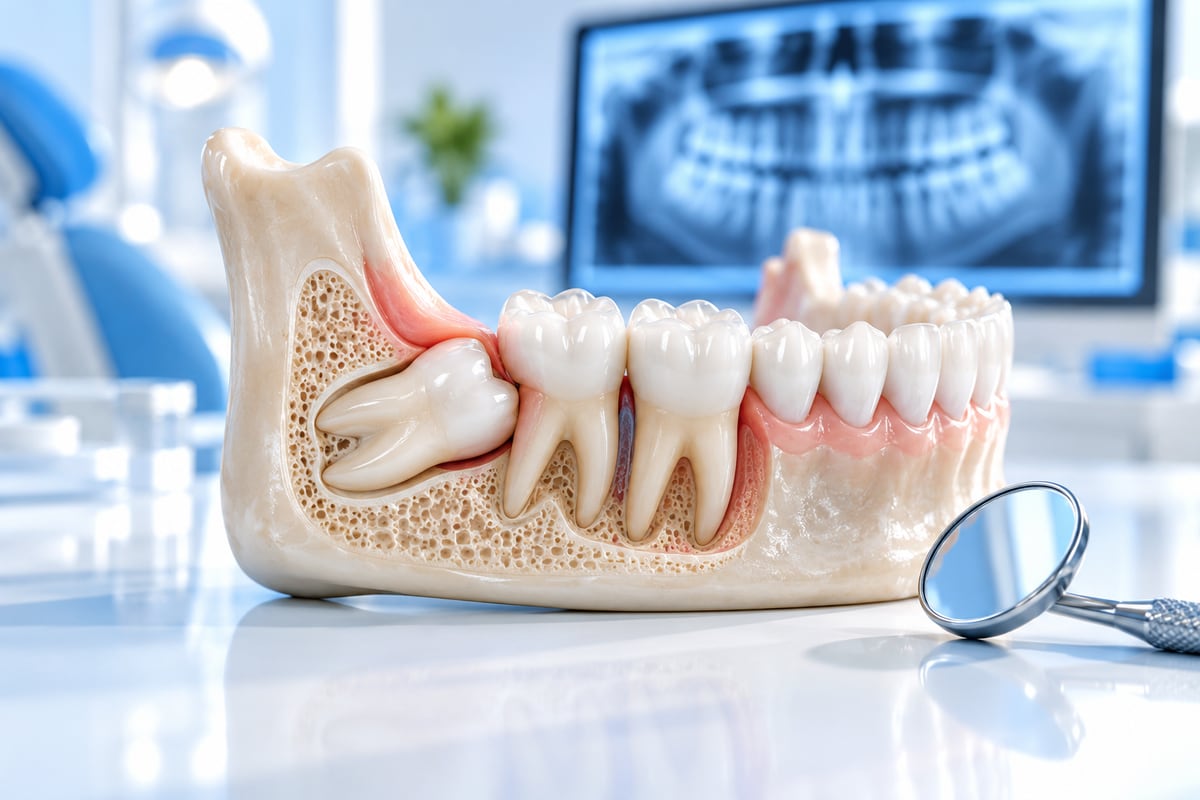
Anaerobic bacteria live where oxygen is scarce: between the papillae at the back of the tongue, inside periodontal pockets, between crowded teeth and under leaking restorations. They break down protein from food debris and shed cells, producing sulphur gases — chiefly hydrogen sulphide and methyl mercaptan. That is why masking never lasts: gum and mouthwash mute the smell for minutes while the source keeps producing.
Oral causes — over 80% of cases
- Tongue coating: the rough dorsum traps bacteria, debris and shed cells — often the entire explanation.
- Gum disease: deep pockets are an almost oxygen-free environment; treating the gums treats the breath.
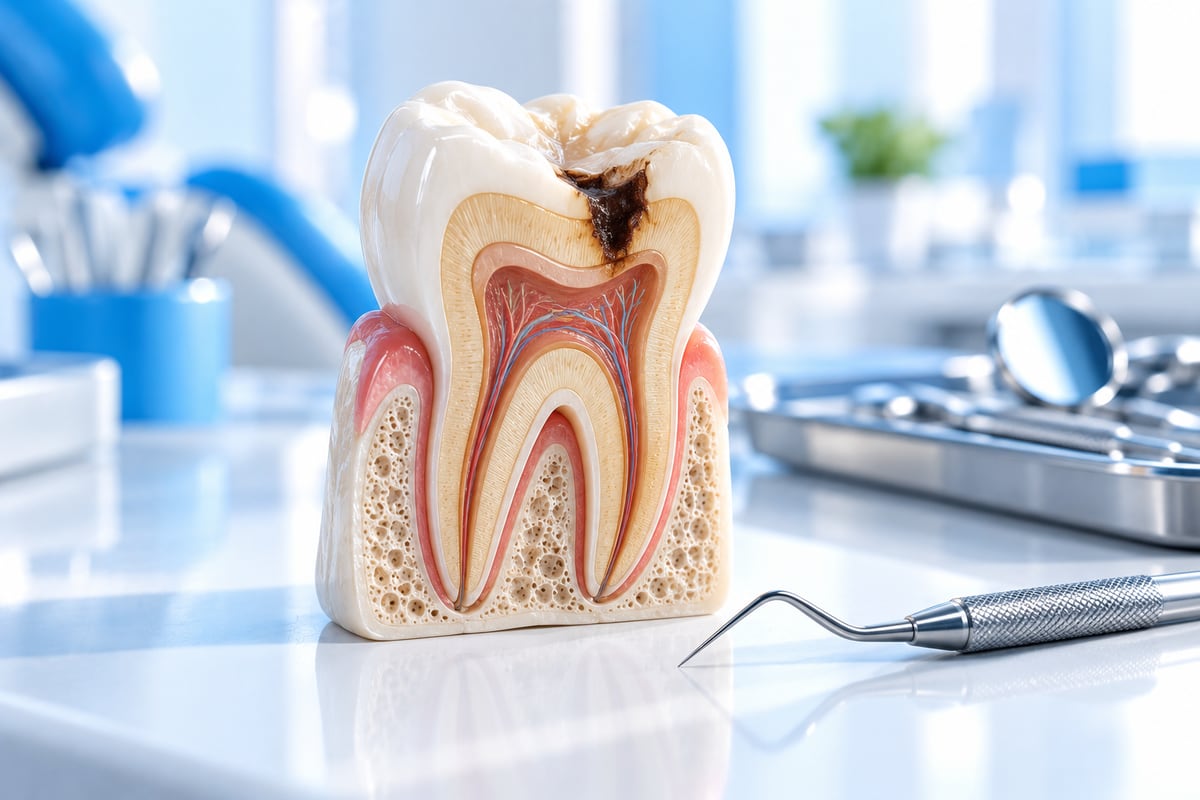
- Decay and failing restorations: cavities and leaking margins trap debris where a brush cannot reach.
- Dry mouth: mouth breathing, medications, smoking and low fluid intake all reduce the natural cleanser.
- Dentures left in overnight and not cleaned daily: a very common and overlooked cause.
- Smoking: combines its own odour with dry mouth and more gum disease.
Non-oral causes
- Sinusitis and post-nasal drip.
- Tonsil stones — small white concretions with a very strong odour.
- Gastro-oesophageal reflux, often with a sour taste.
- Uncontrolled diabetes, which can produce an acetone-like smell requiring medical assessment.
- Advanced kidney or liver disease.
- Low-carbohydrate diets and fasting, which produce ketones — temporary and harmless.
- Certain medications and supplements.
Testing yourself objectively
- 1 Wrist test: lick the back of your wrist, wait ten seconds for it to dry, then smell it.
- 2 Spoon test: gently scrape the back of the tongue with a teaspoon, wait, then smell it — a better guide to the main source.
- 3 Floss test: pass floss between the back teeth and smell it; a strong odour points to gum disease or decay there.
- 4 Ask someone you trust — socially difficult, but the most accurate.
- 5 A dental examination, which identifies the source and saves months of trial and error.
A step-by-step plan
- 1 Start with a full dental examination and X-rays to rule out decay, leaking restorations and gum disease.
- 2 Have a professional cleaning, with deep cleaning where pockets exist.
- 3 Clean your tongue daily with a scraper or the back of the brush, gently from back to front.
- 4 Clean between the teeth every day — this alone makes a visible difference within days.
- 5 Address dry mouth: regular water, xylitol gum, and a medication review if relevant.
- 6 Use an appropriate rinse for a defined period as an adjunct, not a treatment.
- 7 Stop smoking, which removes three causes at once.
- 8 If the smell persists after all of this, an ENT or general medical assessment is the logical next step.
Cleaning the tongue properly
- 1 Use a dedicated scraper where possible — it removes the coating rather than spreading it.
- 2 Extend the tongue and start as far back as is comfortable, since the posterior area is the main source.
- 3 Draw gently forward in one stroke, rinse, and repeat three to five times.
- 4 Do not press hard; the aim is to remove the film, not to injure the surface.
- 5 Clean once or twice daily, ideally in the evening with brushing.
- 6 If your gag reflex is strong, start mid-tongue and work backwards over several days.
You should notice a difference within days. If two weeks of consistent cleaning change nothing, the tongue is not the whole story and the gums and teeth need examining.
Which mouthwash actually works?
- Chlorhexidine: the strongest antibacterial, prescribed for limited periods because of staining and taste changes.
- Chlorine dioxide or zinc compounds: neutralise sulphur compounds chemically rather than masking them — among the best daily options for halitosis.
- Cetylpyridinium chloride: a moderate antibacterial suitable for daily use.
- Essential-oil rinses: useful adjuncts for plaque and gingivitis.
- Purely flavoured rinses: a few minutes of freshness with no effect on the source.
- High-alcohol rinses: may worsen dry mouth in some people; alcohol-free alternatives exist.
Food, drink and temporary odours
Garlic and onion release sulphur compounds absorbed into the blood and exhaled through the lungs, so brushing alone cannot remove them; milk, apple or fresh mint help partially. Coffee dries the mouth and leaves an acidic environment. Low-carbohydrate diets produce ketones unrelated to oral hygiene. Alcohol dries the mouth markedly, and long fasting reduces chewing and therefore saliva — xylitol gum and regular hydration help.
Bad breath in children
In a young child it rarely means poor hygiene. The most common cause is mouth breathing from enlarged adenoids or tonsils or chronic nasal allergy. A foreign body in the nose is a classic cause, with odour and discharge from one nostril. Extensive decay or an abscess in a baby tooth, chronic tonsillitis, dry mouth and reflux are the others. Start with a dental examination and, if the teeth are sound, move to an ENT assessment.
Saliva: the defence nobody sees
If one factor determines your breath more than any other, it is saliva. It washes debris mechanically, neutralises bacterial acids, carries antibodies and antimicrobial enzymes, and supplies the oxygen that anaerobic odour-producing bacteria dislike. Every one of those functions fades as flow drops — which is why breath worsens in situations that share a single feature: a dry mouth. Waking after a night's sleep, long fasting, anxiety before a meeting, air travel, hours of talking at work, and mouth breathing during exercise or sleep. In each case your hygiene has not changed, but your natural defence has weakened. Chewing anything stimulates the glands, so sugar-free gum, a piece of carrot or sipping water restores flow; where dryness is permanent because of medication, saliva substitutes and a medication review make a genuine difference.
Why odour can persist after dental treatment
- 1 Gums need two to four weeks after deep cleaning for inflammation and bleeding to settle — and bleeding itself feeds odour-producing bacteria.
- 2 A new routine needs days to weeks of consistency before its effect shows.
- 3 A second source may exist: treating the gums does nothing for tonsil stones or sinuses.
- 4 Temporary fillings and healing extraction sites give an odd taste or smell for a few days.
- 5 If dry mouth was the main driver, it continues unless treated separately.
Give the plan four weeks of full compliance before judging it; if nothing has improved by then, the source is probably outside what was treated.
Braces, bridges and dentures
Orthodontic patients often notice new odour, for a purely mechanical reason: brackets and wires create dozens of corners that trap food and block the brush. The same applies under fixed bridges, beneath partial dentures and around neglected implants. Use small interdental brushes daily around brackets, add a water flosser, thread floss under bridge pontics, remove and rinse a partial denture after meals and never sleep in it, and shorten professional cleaning intervals to every three or four months during orthodontic treatment.
A fourteen-day protocol
- 1 Day 1: book an examination and cleaning; buy a tongue scraper and correctly sized interdental brushes.
- 2 Days 1–14: clean the tongue twice daily without skipping a single day.
- 3 Days 1–14: clean between the teeth every night, before brushing rather than after.
- 4 Days 1–14: two minutes of brushing twice daily with fluoride toothpaste, spitting without heavy rinsing.
- 5 Days 1–14: keep water with you and use xylitol gum after meals away from home.
- 6 Days 1–14: stop smoking entirely, so you can see its true contribution.
- 7 Day 7: repeat the spoon test and write down the result.
- 8 Day 14: assess. Clear improvement means the source was oral and consistency is the answer; no change means it is time for an ENT or medical assessment.
Bad breath versus bad taste
Many patients describe a metallic, salty or bitter taste and assume it is the same problem as odour, when the causes can be quite different. A metallic taste is common with bleeding gums, antibiotics, iron supplements and some blood pressure medications. A salty taste can indicate pus draining from a periodontal or pulpal abscess, or severe dry mouth. A bitter or sour taste is frequently linked to reflux, often with heartburn and erosion on the inner surfaces of the upper teeth. An unexplained sweet taste deserves a medical assessment, and altered taste can follow a viral infection or accompany zinc or B12 deficiency. The practical rule: a persistent taste unchanged by cleaning or eating warrants medical assessment, while one localised to an area of the mouth and relieved by cleaning is usually dental.
Why breath worsens in specific situations
During fasting, the absence of eating and chewing reduces salivary stimulation while the body metabolises fat and produces ketones with a characteristic exhaled odour — a normal phenomenon unrelated to hygiene. Clean teeth and tongue after the last meal, hydrate well during eating hours, moderate caffeine, reduce concentrated sugars and use xylitol gum. In the morning, salivary flow reaches its lowest point during sleep, which is worse for mouth breathers, snorers and people on drying medications; brushing and tongue cleaning resolve it within minutes. During long meetings or stress, talking for hours and stress-related mouth breathing dry the mouth — a bottle of water and regular sips solve it completely.
Tools worth owning
| Tool | Why | Note |
|---|---|---|
| Tongue scraper | Removes the posterior coating responsible for most odour | More efficient than a brush for this purpose |
| Interdental brush | Cleans spaces a brush cannot reach | Size matters for each space |
| Dental floss | Essential for tight contacts | Waxed is easier to handle |
| Water flosser | Excellent with braces, bridges and implants | A complement, not a replacement for floss |
| Zinc or chlorine dioxide rinse | Neutralises sulphur compounds chemically | Better than purely flavoured rinses |
| Xylitol gum | Stimulates saliva when away from home | No sugar to feed bacteria |
You do not need all of these at once. Start with a tongue scraper and an interdental cleaner — together they resolve most cases — then add what your own situation requires.
Frequently asked questions
Why does my breath smell despite daily brushing?
The usual reasons: no tongue cleaning, no interdental cleaning, gum disease or deep pockets, dry mouth, or leakage at an old filling or crown margin. Clean teeth alone are not enough.
Does bad breath come from the stomach?
Rarely. Over eighty per cent of cases originate in the mouth; reflux can contribute a sour smell but the search always starts with the mouth.
What is the best mouthwash?
Those containing chlorine dioxide or zinc, because they neutralise sulphur compounds chemically rather than masking them.
Do tonsil stones cause odour?
Yes, and a very distinctive strong one. If they recur frequently, an ENT assessment is worthwhile.
Why is morning breath worse?
Saliva flow drops sharply during sleep, letting bacteria multiply freely — normal, and worse with mouth breathing.
The bottom line
Bad breath is a source problem, not a fragrance problem. Mouthwash and gum buy you an hour; tongue cleaning, daily interdental cleaning and gum treatment solve it. Start in the mouth — examination, professional cleaning, treating any inflammation or decay — then build a daily routine that includes the tongue and the spaces between the teeth. Only if the smell persists after that does looking beyond the mouth make sense.
This article is general information for education only and does not replace an examination and diagnosis by a dentist. Every case is different, and the right treatment is decided by your dentist after an examination.
Have a question about your own teeth?
Book an examination at Dental Arts and the dentist will check your teeth and calmly explain the options that suit you.