
Signs you may need root canal treatment
- Persistent throbbing pain that worsens at night or when lying down.
- Severe lingering pain with hot or cold drinks after the stimulus is removed.
- Swelling of the gum or face, or an abscess next to the tooth.
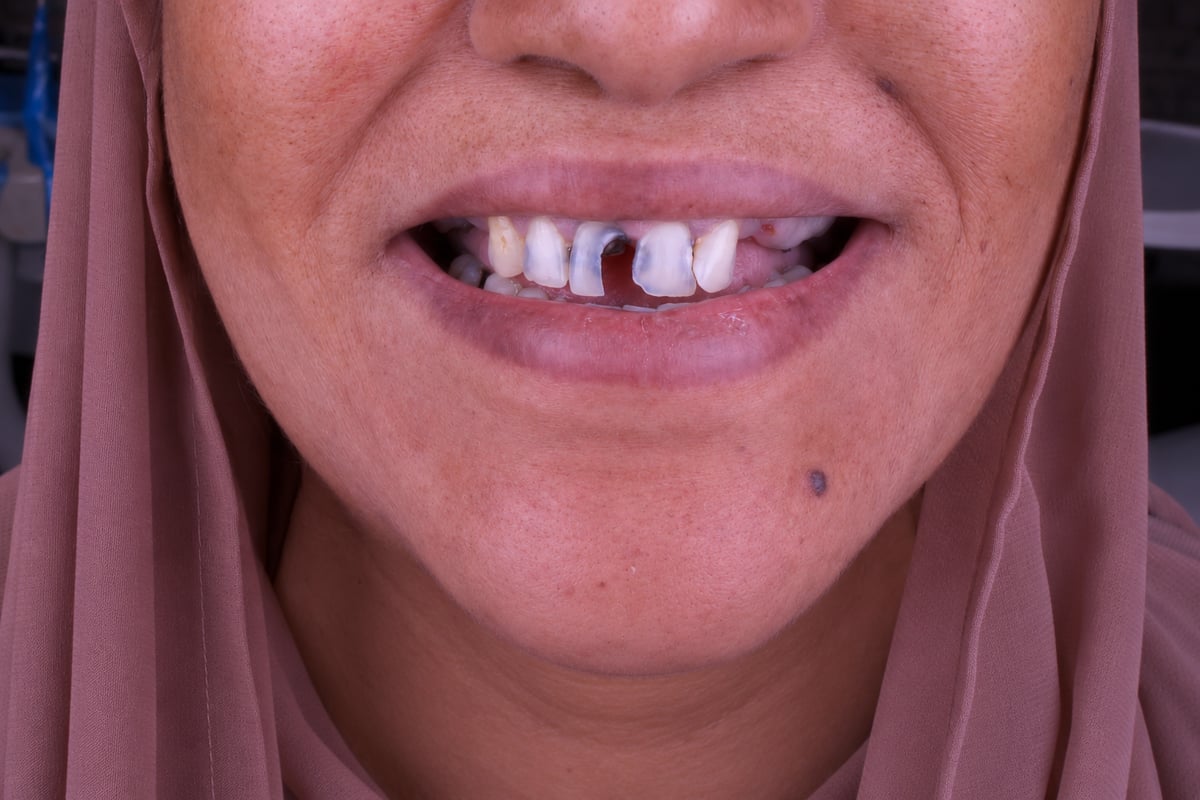
- A tooth turning grey after an old knock or fracture.
- Pain on biting or pressure over one specific tooth.
The treatment step by step
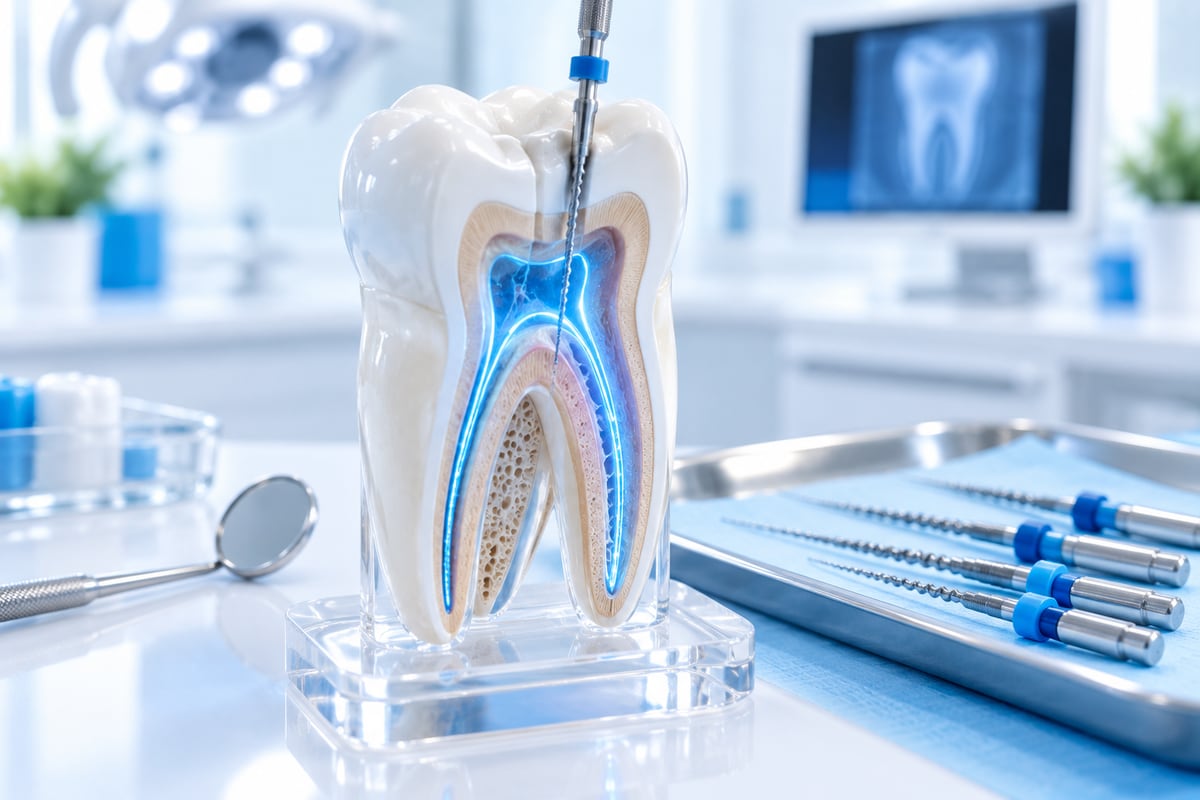
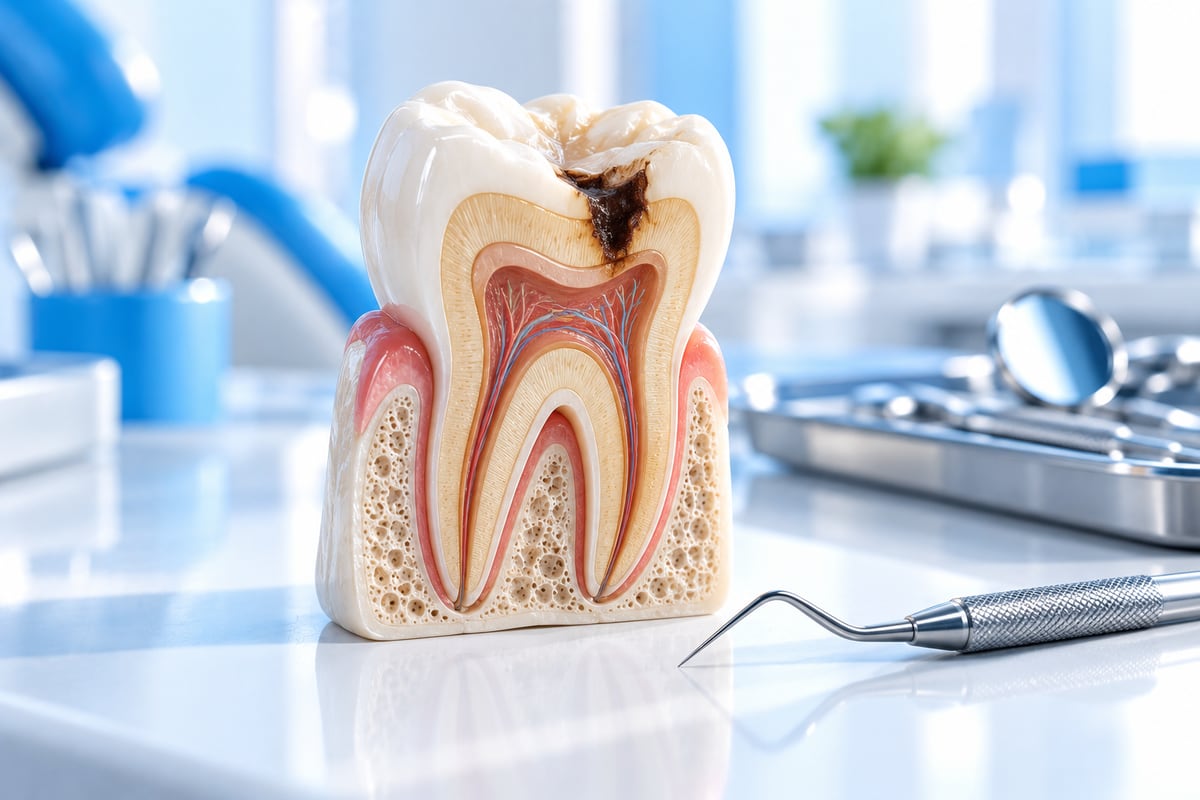
After diagnosis and imaging we anaesthetise and isolate the tooth with a rubber dam, open the pulp chamber, clean and accurately measure the canals, disinfect and fill them completely, then seal the tooth and decide whether a crown is needed. Most cases finish in one or two visits.
Is it painful?
The real pain is the inflammation before treatment. During the visit you are under local anaesthesia and feel no pain; afterwards some tenderness on chewing for two or three days is normal and controlled with a simple painkiller. Severe ongoing pain is not normal — contact us straight away.
Composite (tooth-coloured) fillings
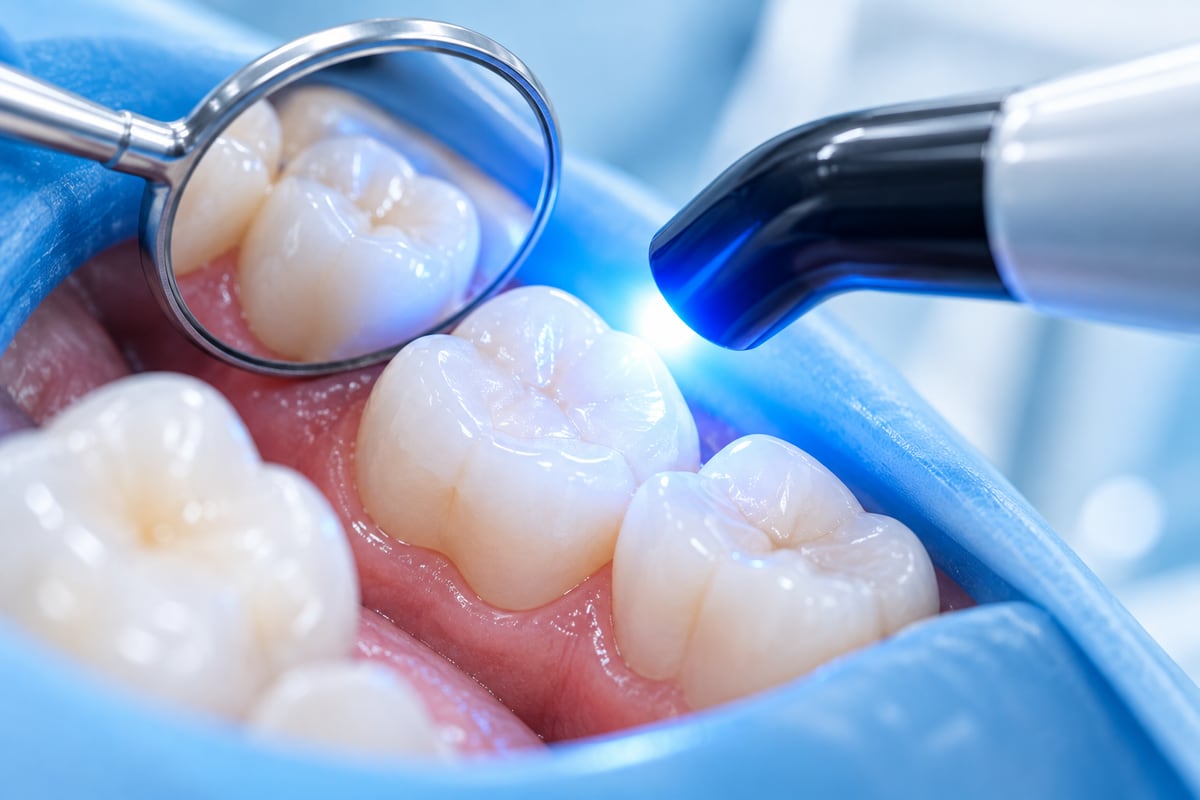
For early decay or a small fracture, a tooth-coloured filling restores shape and function in a single visit. We remove only the decayed part, build the tooth in layers, adjust the bite and polish so food does not catch around it.
When is extraction the right call?
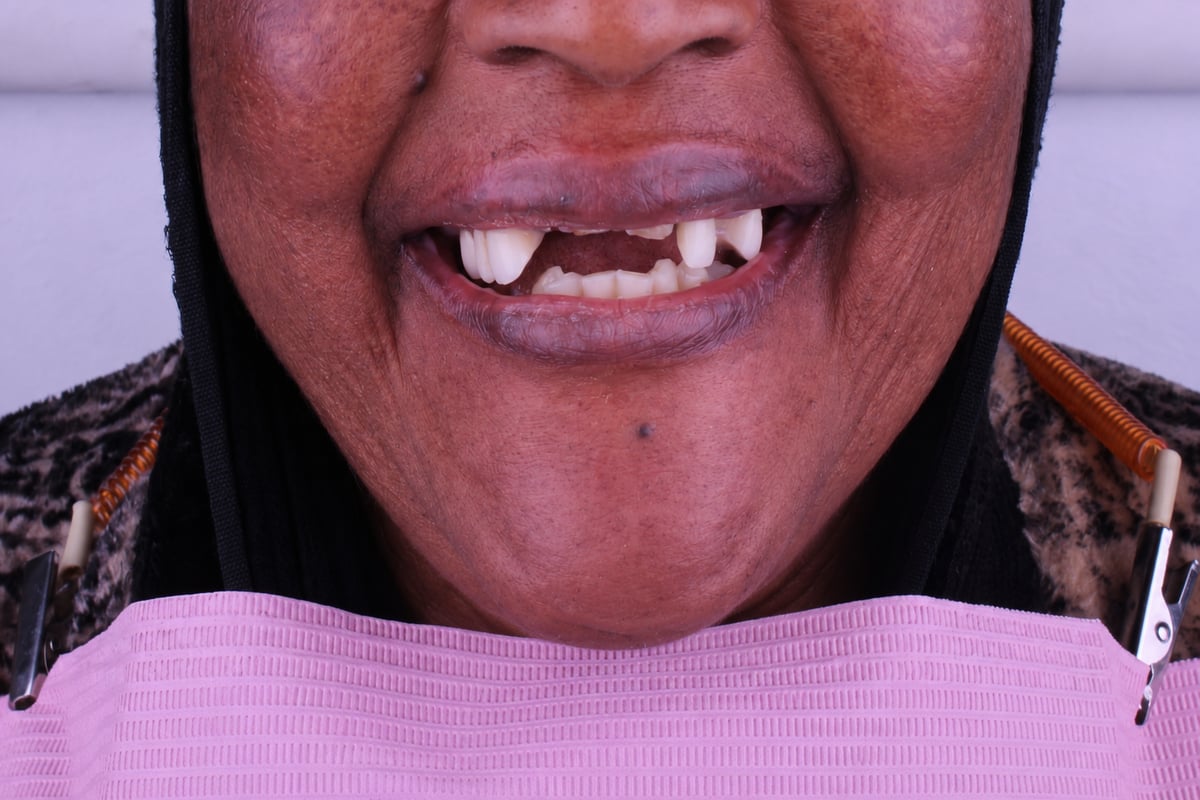
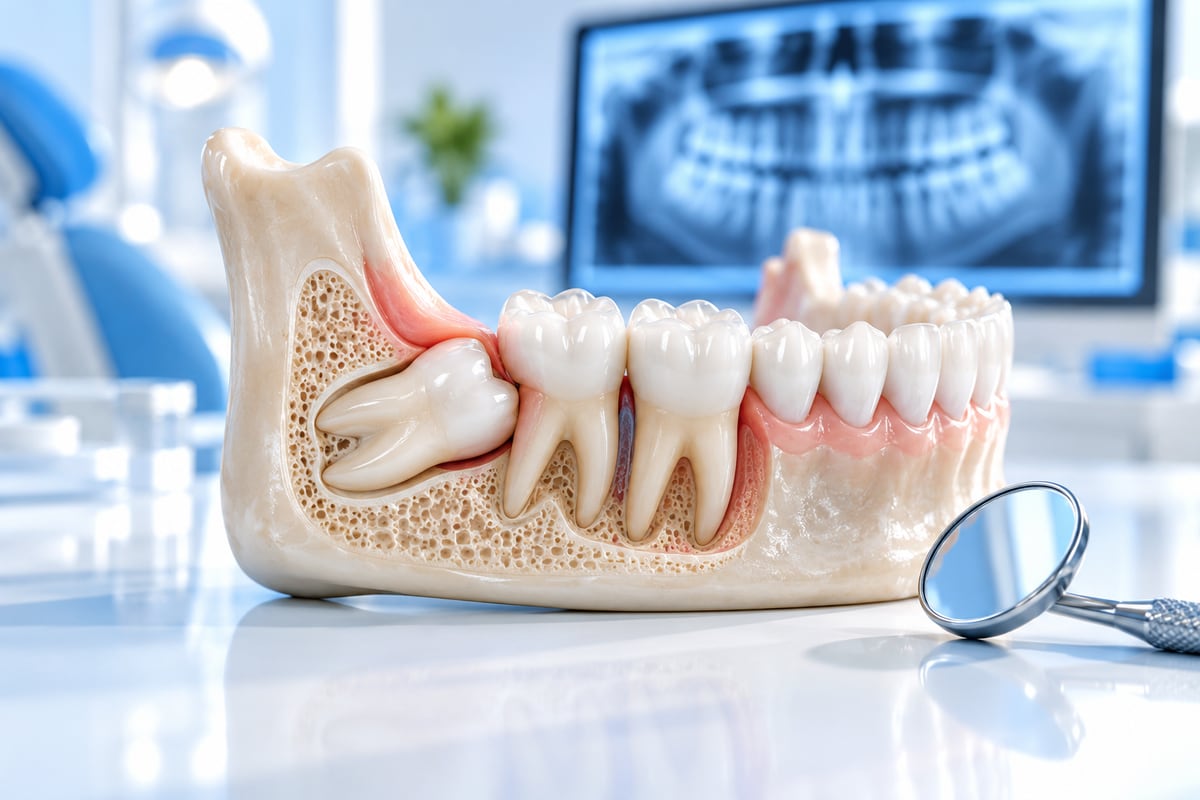
When the tooth is broken below gum level, the root is cracked, or bone loss around it is extensive. In those cases we discuss replacement options — an implant or a bridge — before the extraction, not after.