When is an implant the right option?
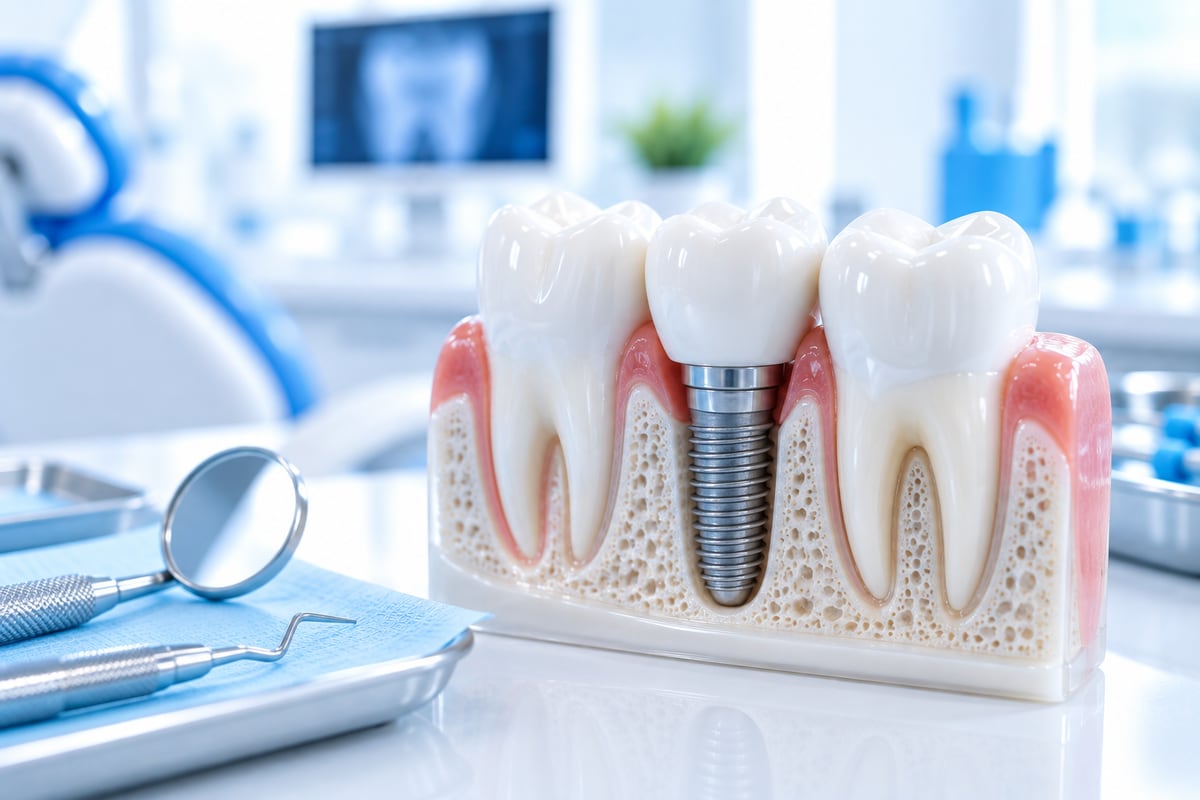
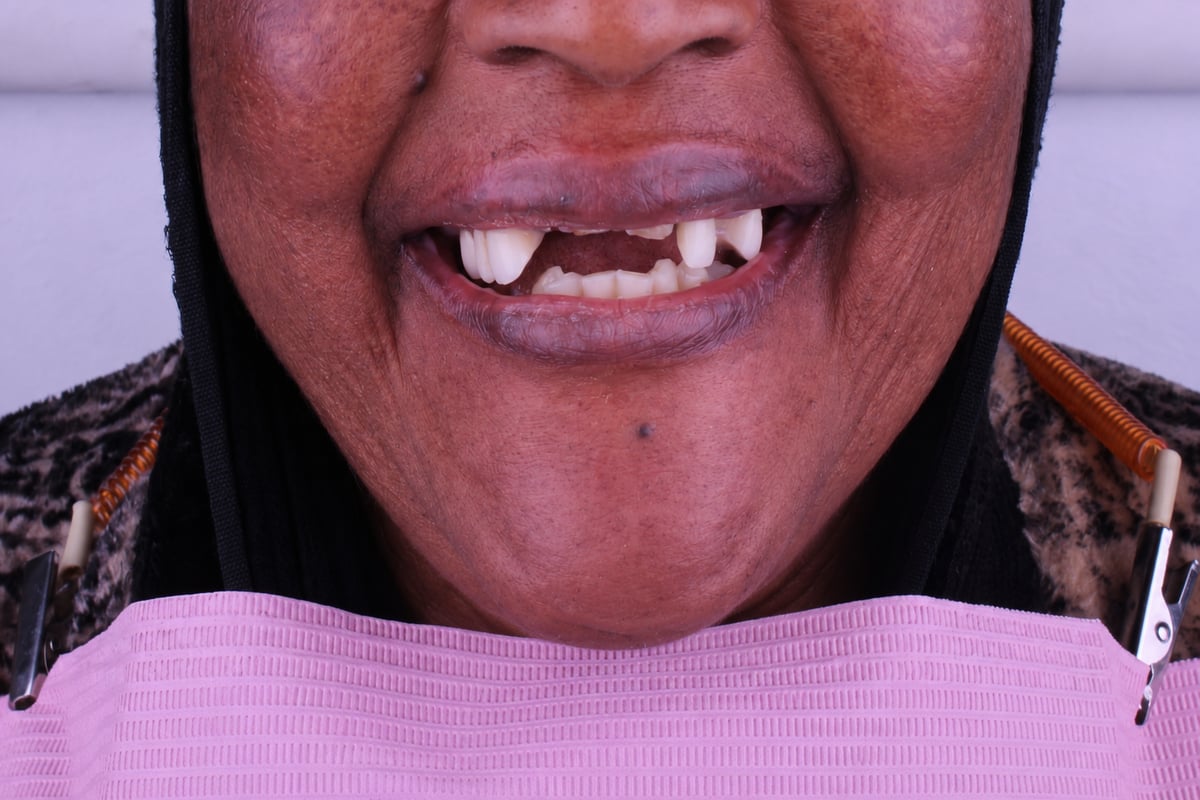
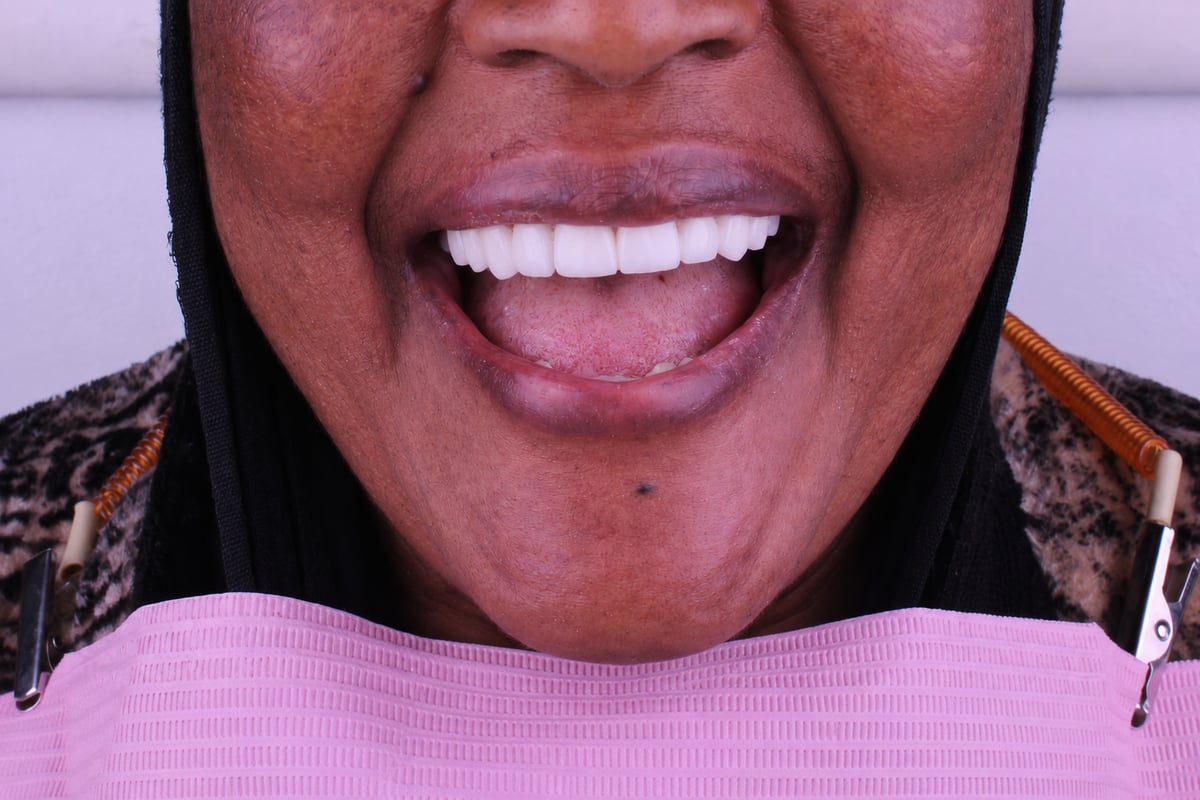
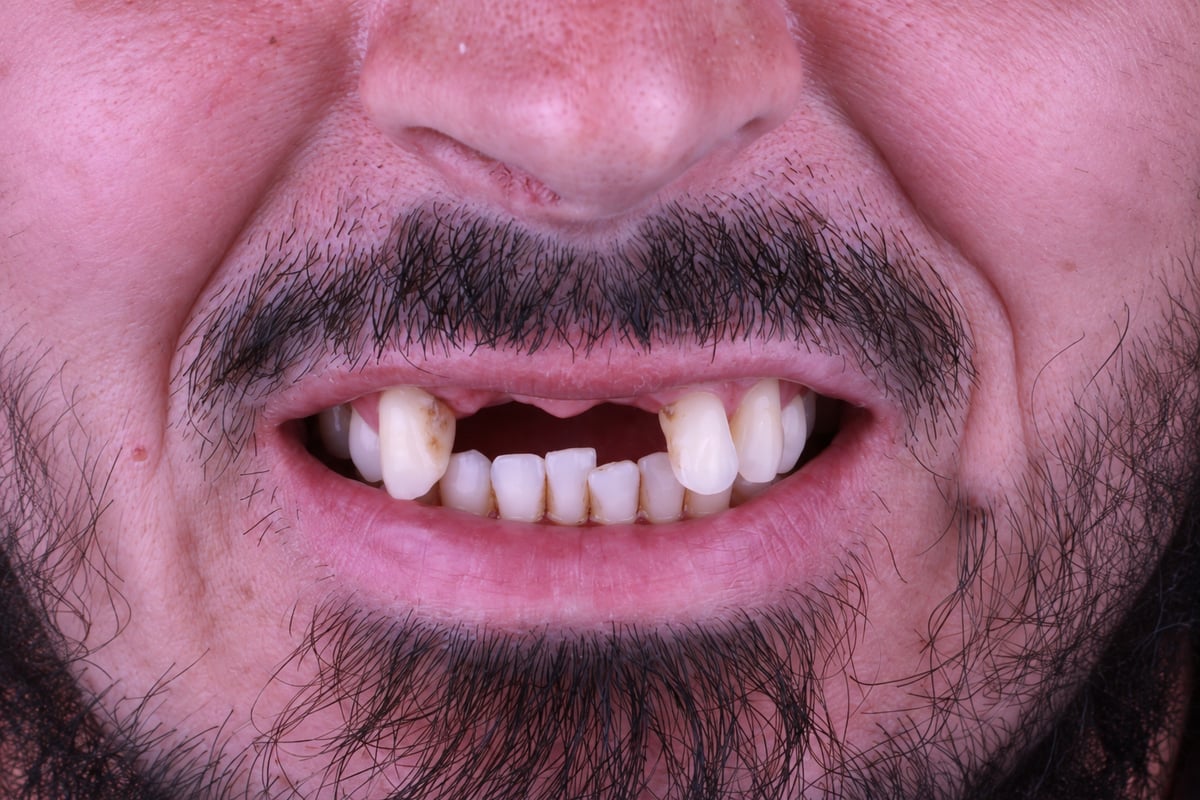
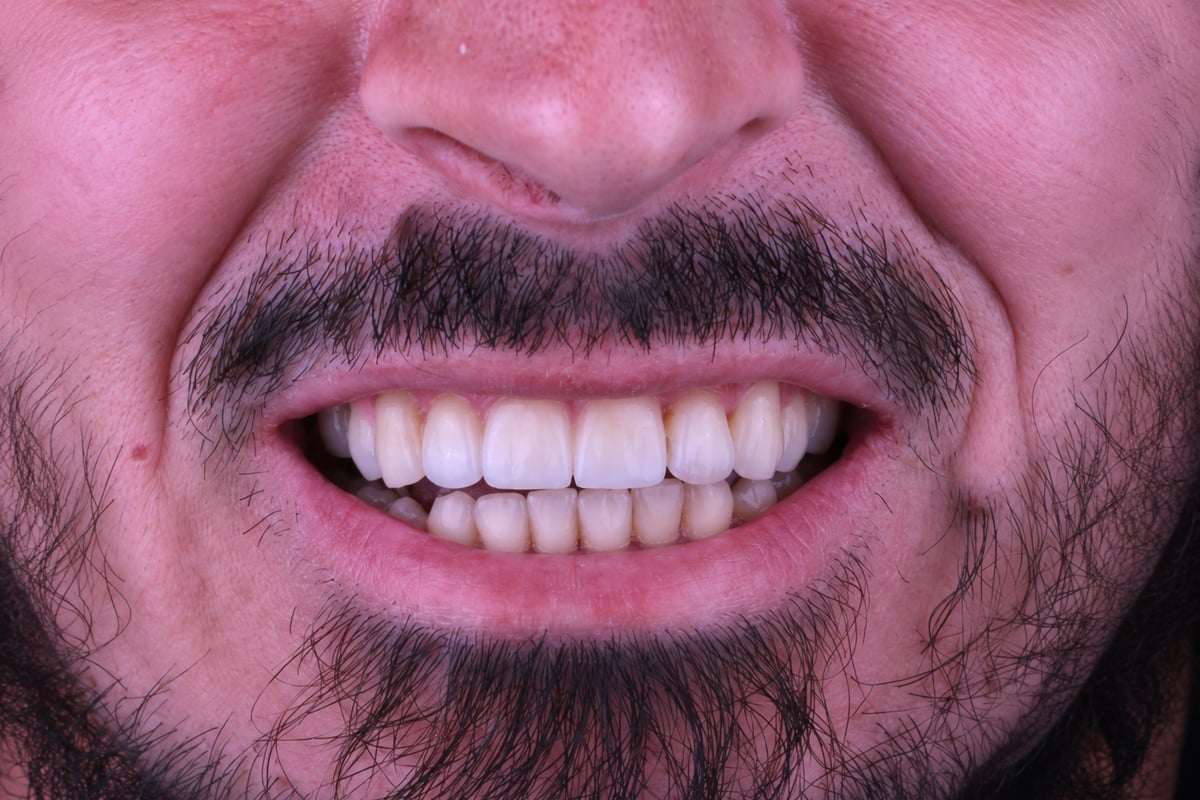
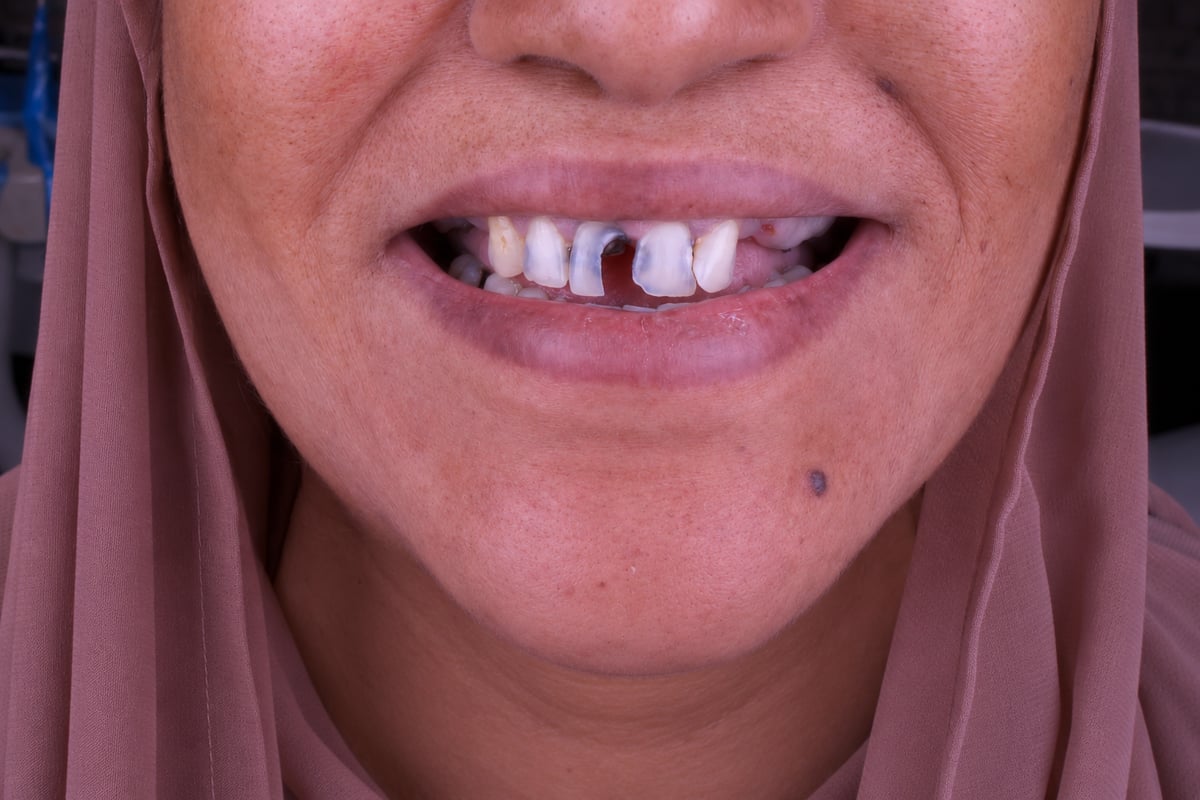
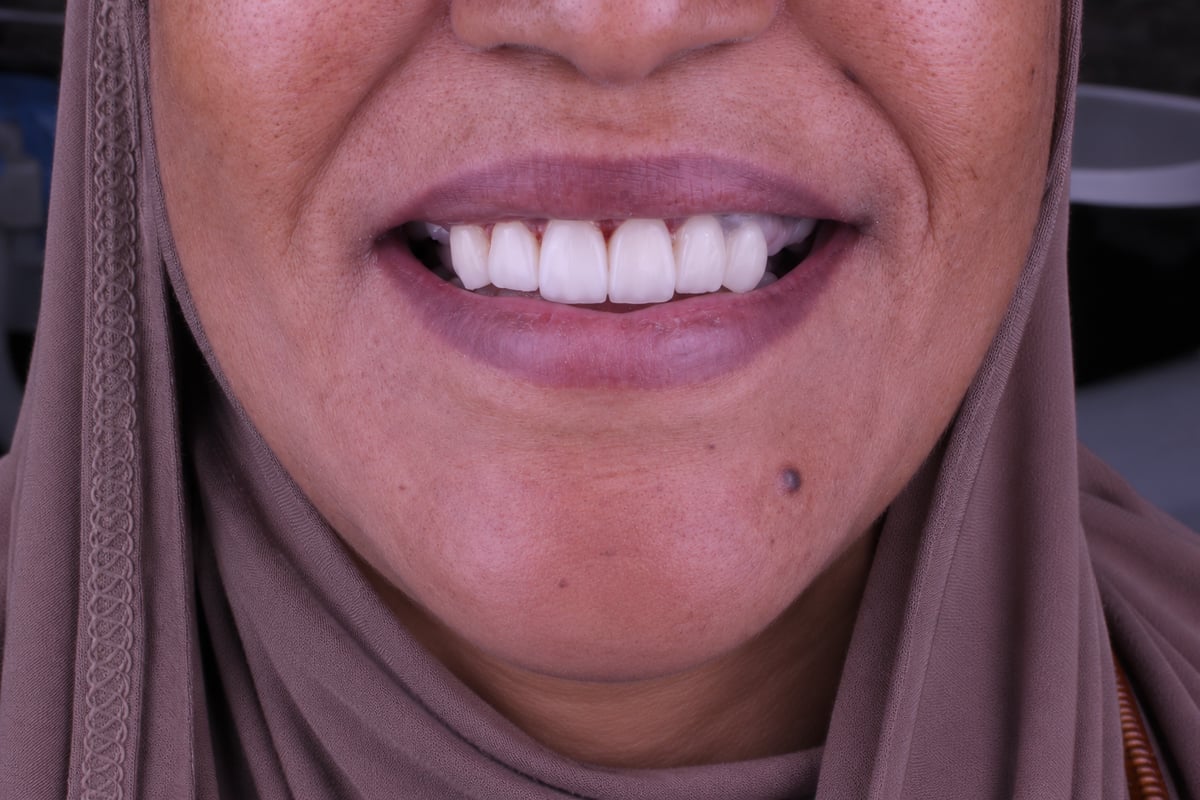
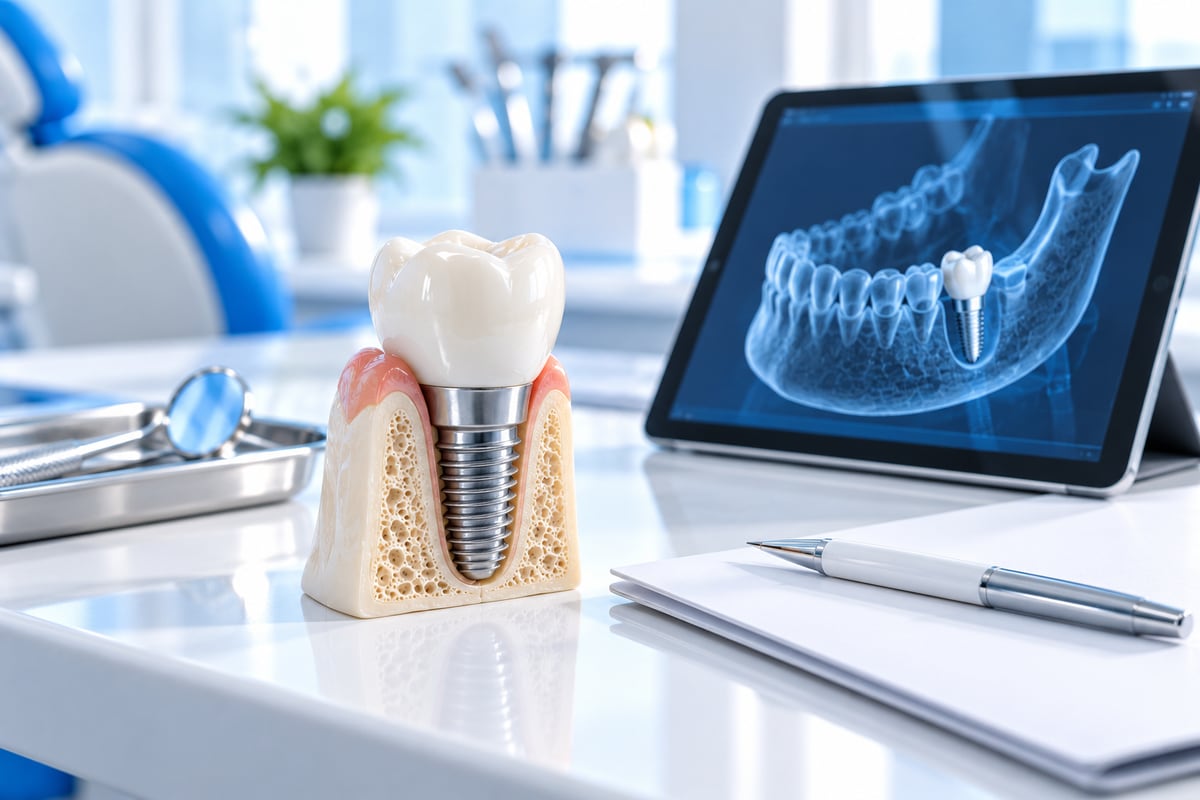
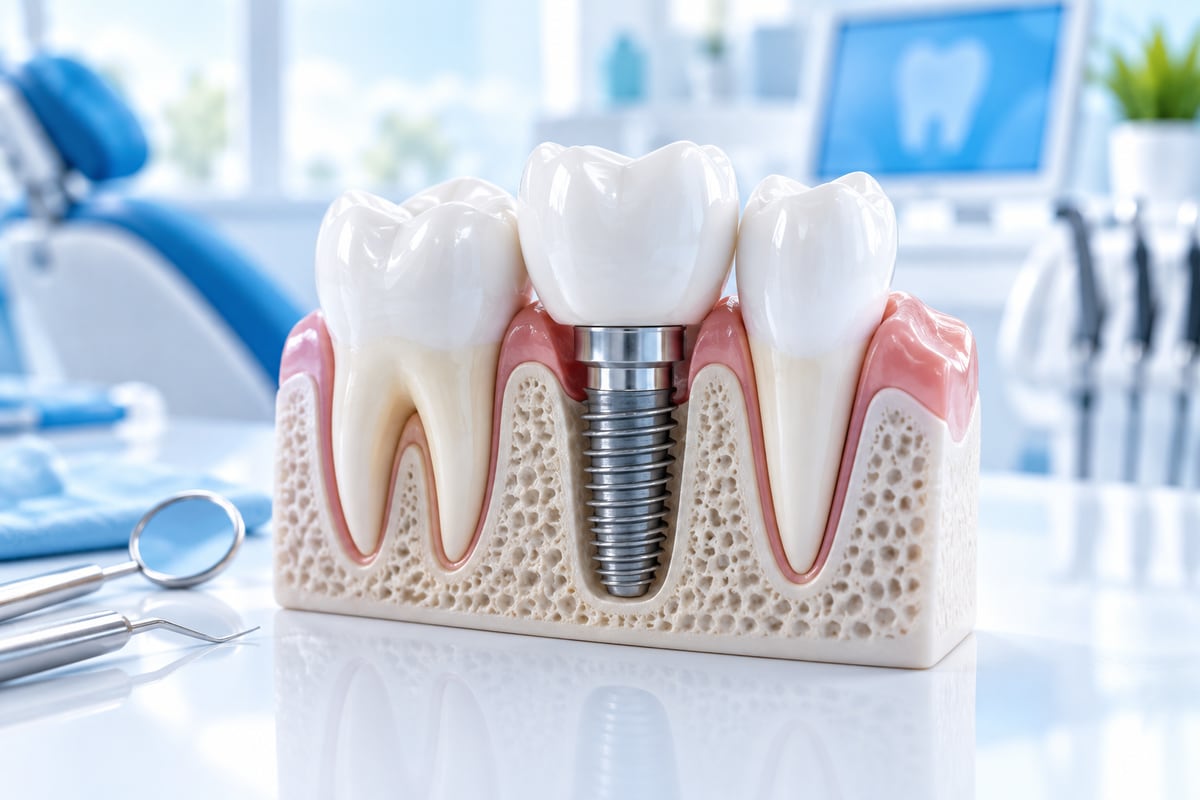
Implants replace a single missing tooth, several teeth, or a full arch carried by a limited number of fixtures. Unlike a conventional bridge they do not require grinding down the neighbouring teeth, and they preserve the jawbone that starts to resorb after a tooth is lost.
- A tooth missing for a while when you prefer not to involve the neighbouring teeth.
- Several missing teeth spread across the jaw.
- An uncomfortable removable denture you want stabilised on implants.
- A fractured root that cannot be saved.
The implant journey step by step
An implant is not a single visit but a short, clearly staged journey. The period between placing the fixture and fitting the final crown is usually two to four months depending on the bone, and a temporary tooth can be used in the front region so no gap shows.
Is it painful?
The fixture is placed under local anaesthesia and most patients describe it as easier than a routine extraction. Mild swelling for a day or two is managed with painkillers, cold compresses and the written aftercare instructions we hand you.
What the cost depends on
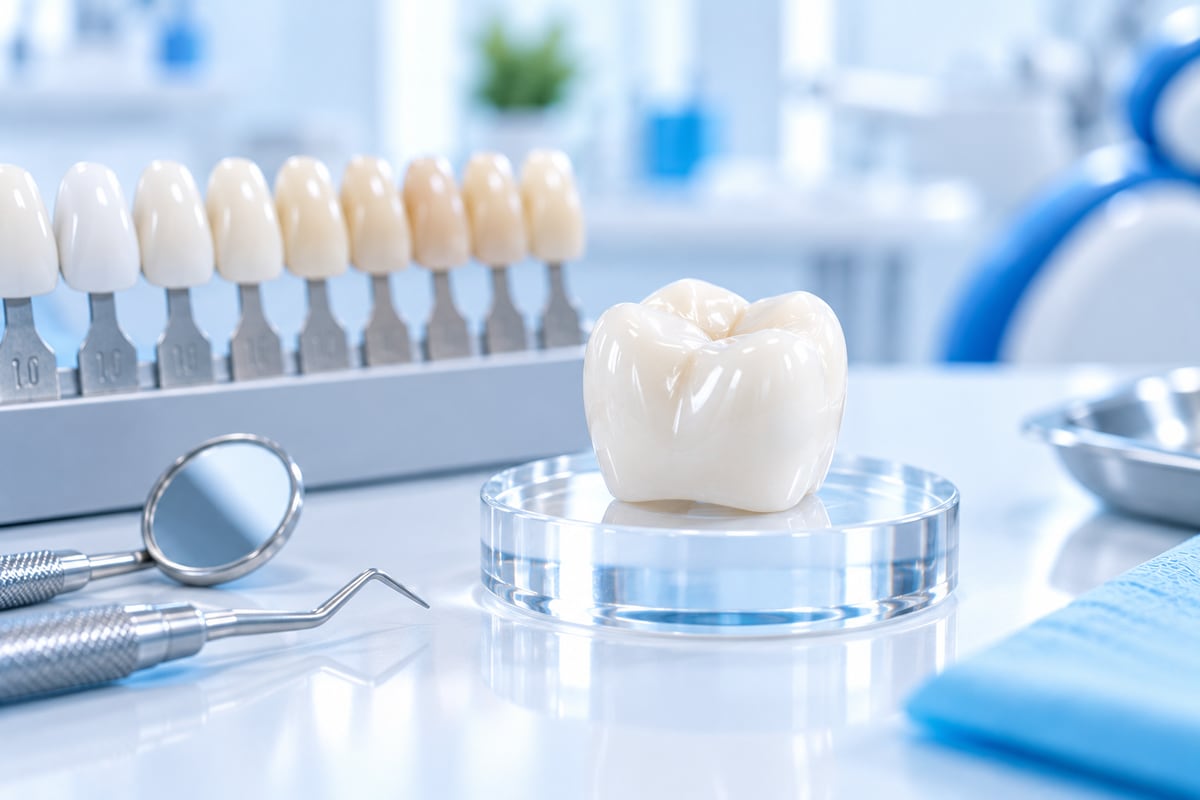
Cost is never quoted before the examination: it depends on the number of fixtures, the system used, whether bone grafting or a sinus lift is needed, and the final crown material. At Dental Arts the consultation and imaging fee is published, and the full treatment plan is given to you in writing before any financial commitment.
Caring for your implant
- Brush twice daily and clean around the implant with floss or an interdental brush.
- A scaling and polishing visit every six months to monitor the gum around the implant.
- Avoid cracking nuts or opening hard objects with implant-borne teeth.
- Come in immediately if you notice bleeding, a loose crown or a persistent odour.