Many people only book a dental appointment when something hurts. The trouble is that the most common dental problems, tooth decay and gum disease, usually cause no pain in their early stages. By the time they do hurt, treatment is often bigger than it needed to be.
Is every six months right for everyone?
A check-up every six months is a familiar rule, and it suits many people. In reality, the right interval depends on your own risk. Someone with healthy teeth and gums and a good routine at home may be advised to come less often, while others benefit from more frequent visits. Your dentist will recommend an interval after examining you, and it can change over time.
You may need closer follow-up if you:
- have needed several fillings or had new decay recently
- have bleeding gums or have been treated for gum disease
- smoke
- have diabetes or another medical condition that affects the gums
- are pregnant, since hormonal changes can make gums more sensitive
- wear braces, aligners, bridges or implants
What happens at a routine check-up
A check-up is more than a quick look. It usually starts with questions about your general health and any medicines you take, because both can affect your mouth. The dentist then examines your teeth, existing fillings and gums, and also checks your tongue, cheeks and the rest of the mouth for anything unusual.
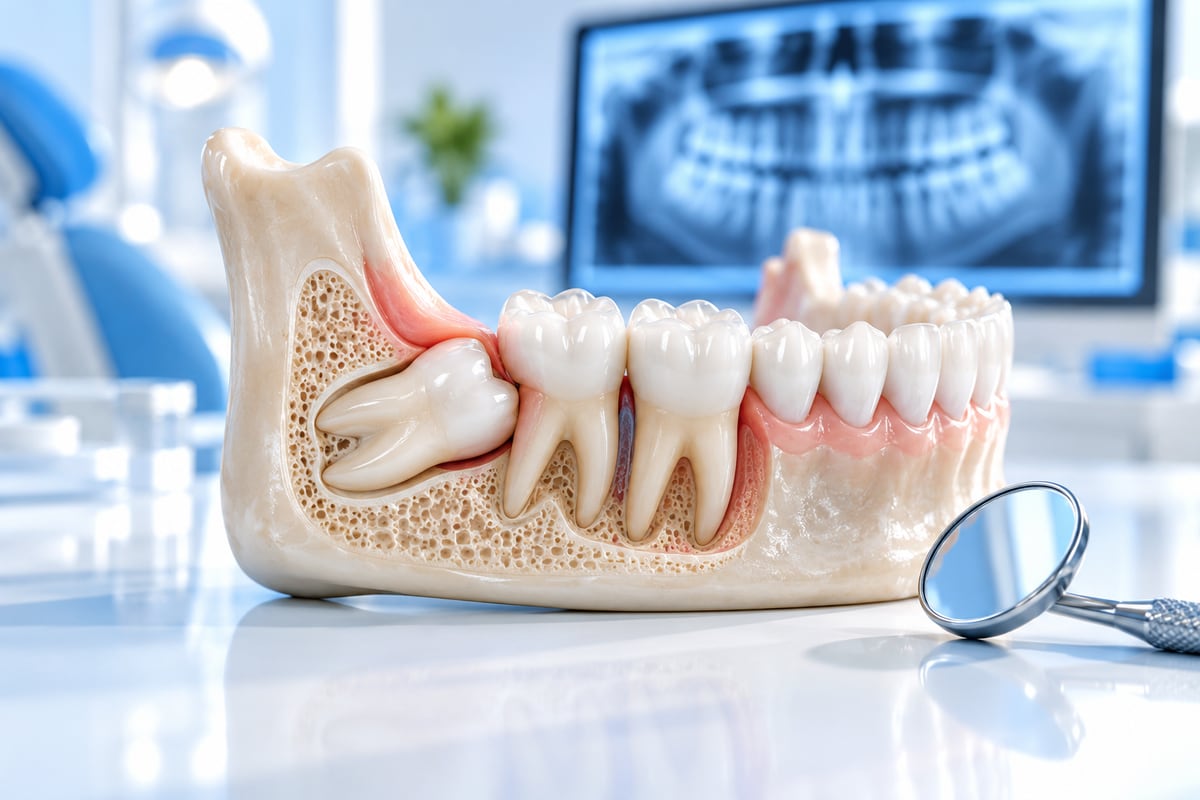
X-rays are not taken at every visit. They are used when needed to see between the teeth, under fillings or below the gum line, at intervals that depend on your situation. Many visits also include a professional cleaning to remove tartar, the hardened plaque that brushing alone cannot shift.
Why regular visits save you trouble
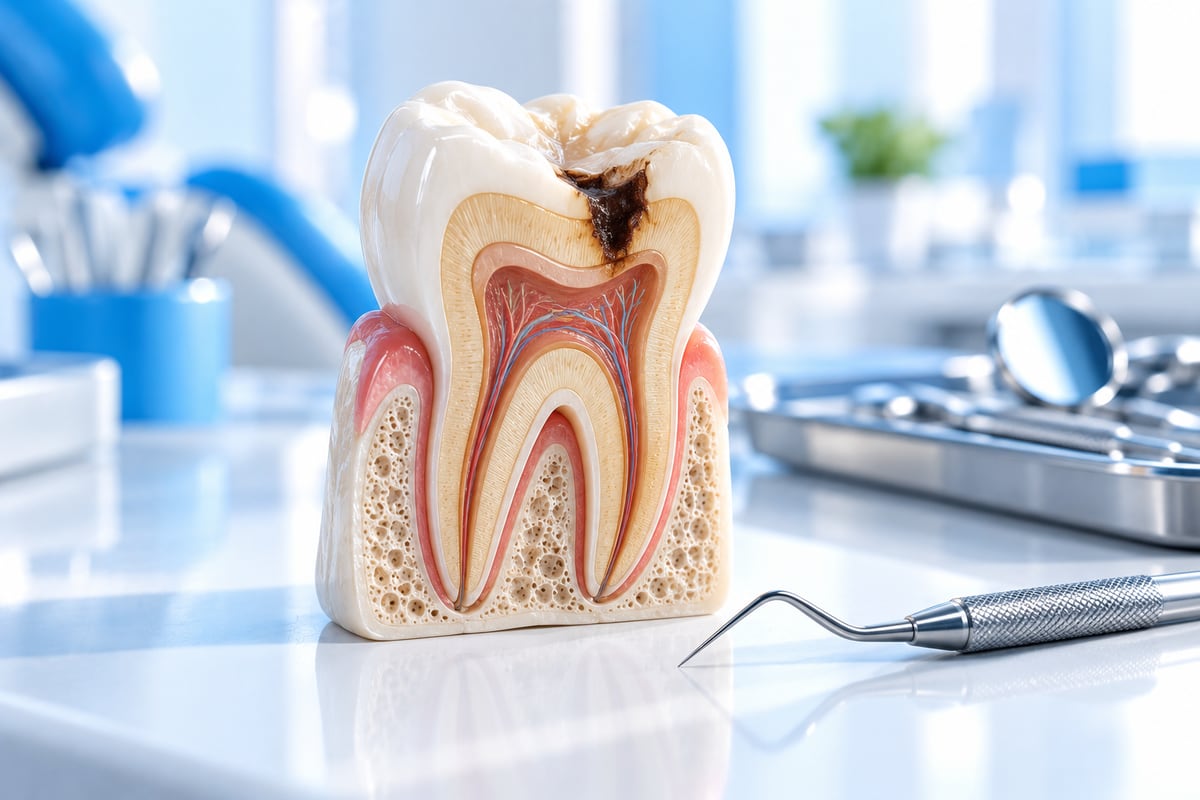
- Small cavities can often be treated with a simple filling before they reach the nerve.
- Early gum inflammation is usually reversible with cleaning and better care at home.
- Worn teeth, grinding and failing old fillings can be spotted early.
- You get advice that fits your mouth instead of general guesswork.
Signs you should not wait for your next check-up
Book an appointment soon if you notice:
- toothache, or pain when biting
- swelling in the gum or face
- gums that bleed regularly when you brush
- a loose tooth, or a broken tooth or filling
- sensitivity that is getting worse
- a mouth ulcer or patch that has not healed within about two weeks
Seeing your dentist regularly is not only about fixing problems. It is the easiest way to keep treatment simple and your smile healthy for years to come.
This article is general information for education only and does not replace an examination and diagnosis by a dentist. Every case is different, and the right treatment is decided by your dentist after an examination.
Have a question about your own teeth?
Book an examination at Dental Arts and the dentist will check your teeth and calmly explain the options that suit you.