Losing a tooth affects more than appearance. It can make chewing harder, and over time the neighbouring teeth may drift into the gap. Dental implants are one of several ways to replace missing teeth, and understanding how they work helps you have a more useful conversation with your dentist.
What is a dental implant?
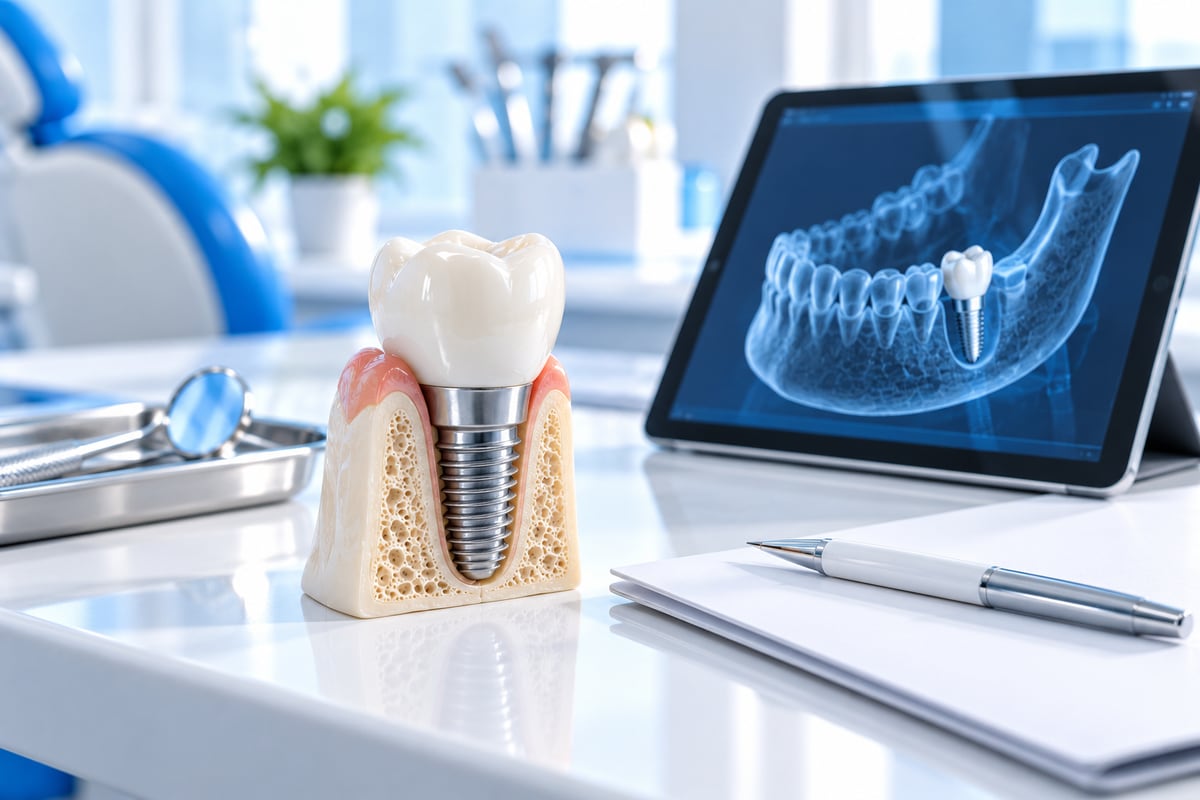
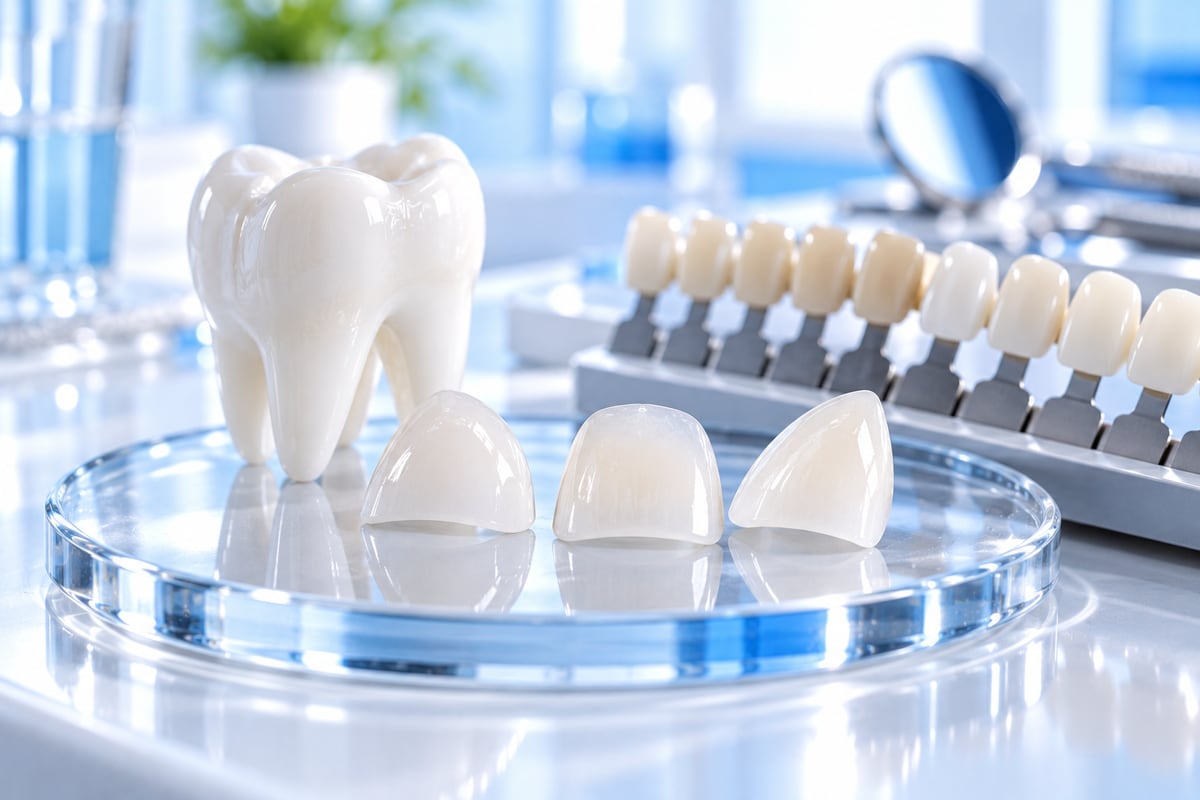
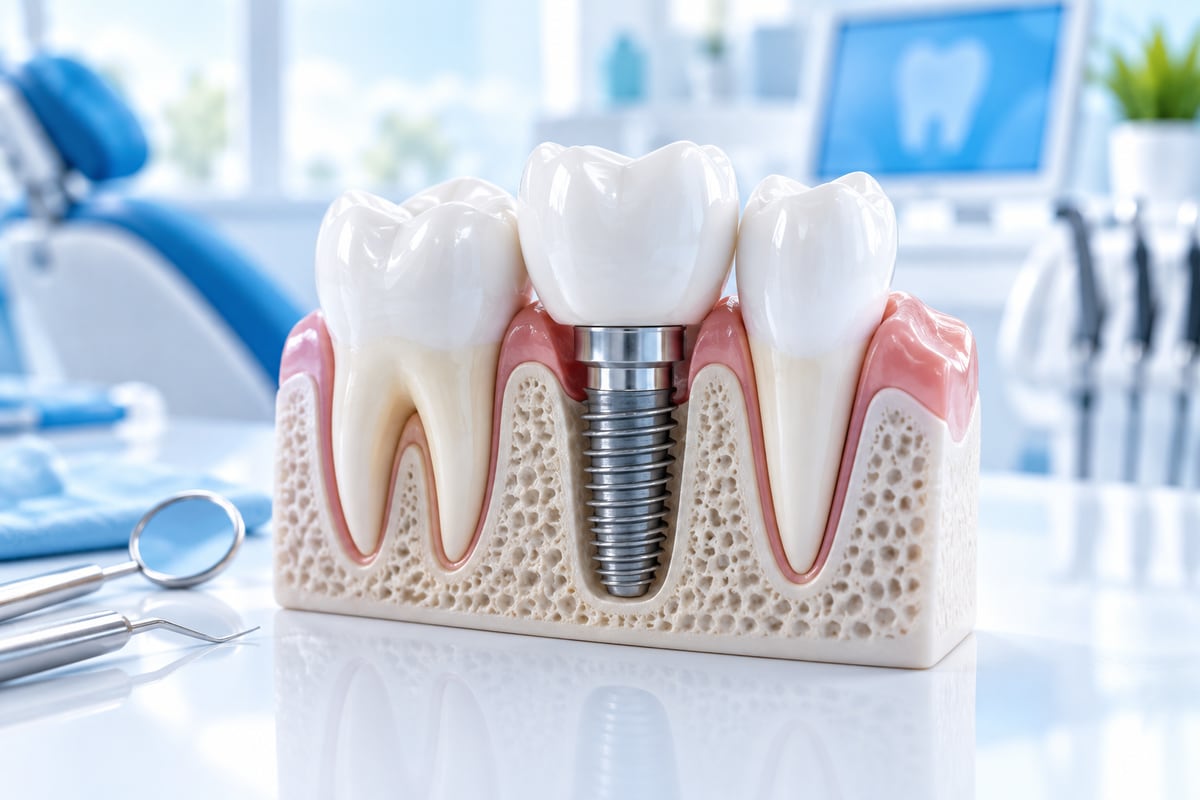
An implant is a small post, usually made of titanium, that is placed in the jawbone where the tooth root used to be. Over the following weeks and months, the bone normally bonds to the implant surface and gives it a stable base. A connector called an abutment is then attached, and a crown, bridge or denture is fitted on top.
Because an implant is anchored in the bone, it does not rely on the neighbouring teeth for support, unlike a traditional bridge, which usually requires the adjacent teeth to be reshaped.
Who may be a good candidate?
Many adults who have lost one or more teeth can be considered for implants. Suitability depends on a careful assessment rather than age alone. Things your dentist will look at include:
- Whether jaw growth is complete, which is why implants are generally not placed in children and young teenagers.
- The amount and quality of bone at the implant site. If bone is limited, bone grafting may sometimes be discussed.
- The health of your gums and your oral hygiene habits.
- Smoking, which can slow healing and raise the risk of complications.
- General health, such as poorly controlled diabetes, some medicines for bone thinning, or previous radiotherapy to the head and neck.
- Clenching or grinding, which puts extra load on implants.
The general steps
Every plan is individual, but treatment usually follows this path:
- A consultation and examination, including X-rays and sometimes 3D imaging, to assess the bone and plan the position.
- Preparation if needed, such as removing a damaged tooth or treating gum disease first.
- Placing the implant, typically under local anaesthetic.
- A healing period while the implant bonds with the bone. This commonly takes a few months, and a temporary tooth may be possible in some cases.
- Attaching the abutment and fitting the final crown or restoration.
After treatment
Some swelling and discomfort for a few days after placement is common and is usually managed by following your dentist’s instructions and any medicines they recommend. Contact the clinic if pain, swelling or bleeding gets worse instead of better.
Implants cannot decay, but the gum and bone around them can become inflamed if plaque builds up. Brush twice a day, clean carefully around the implant with floss or interdental brushes, avoid smoking and keep up your regular check-ups. With good care, an implant can serve you comfortably for many years.
This article is general information for education only and does not replace an examination and diagnosis by a dentist. Every case is different, and the right treatment is decided by your dentist after an examination.
Have a question about your own teeth?
Book an examination at Dental Arts and the dentist will check your teeth and calmly explain the options that suit you.