"Give me the strongest antibiotic for my tooth" is one of the most common requests pharmacists hear, usually from someone who has been awake all night with pain. The request rests on a misunderstanding of what antibiotics actually do. This guide explains when antibiotics are genuinely needed for dental and gum infections, when they cause pure harm, and why no tablet can reach the inside of an inflamed tooth.
Why antibiotics do not stop toothache
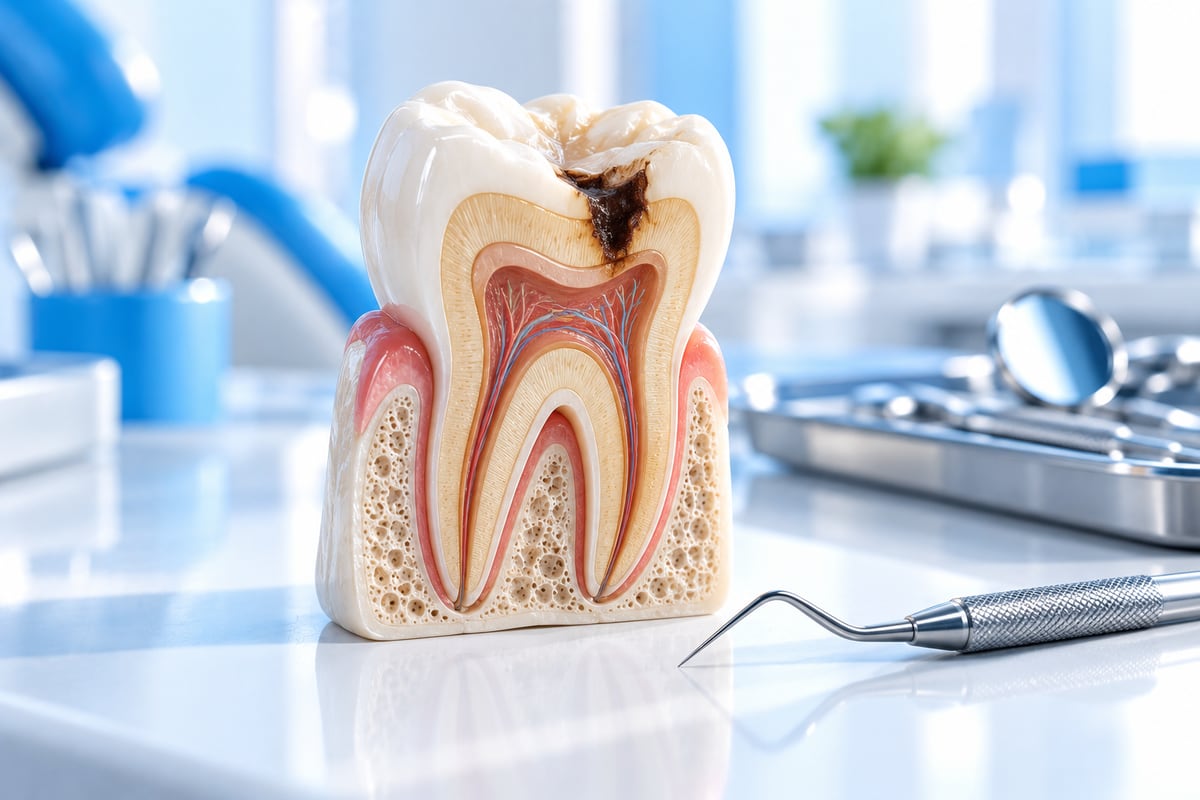
An antibiotic is absorbed into the bloodstream and carried to infected tissue. That works well for a throat or skin infection, where blood supply is rich. Inside a tooth it is different: when the pulp becomes severely inflamed or dies, blood flow inside the canal stops. The canal becomes a sealed space full of bacteria and necrotic tissue with no vessel to deliver the drug. The antibiotic circulates through your whole body and never reaches the source.
When a dentist genuinely prescribes them
- Spreading swelling of the face, neck or under the jaw.
- Fever, shivering or general malaise — signs of a systemic response.
- Difficulty swallowing or opening the mouth alongside swelling.
- Immunocompromised patients, or uncontrolled diabetes.
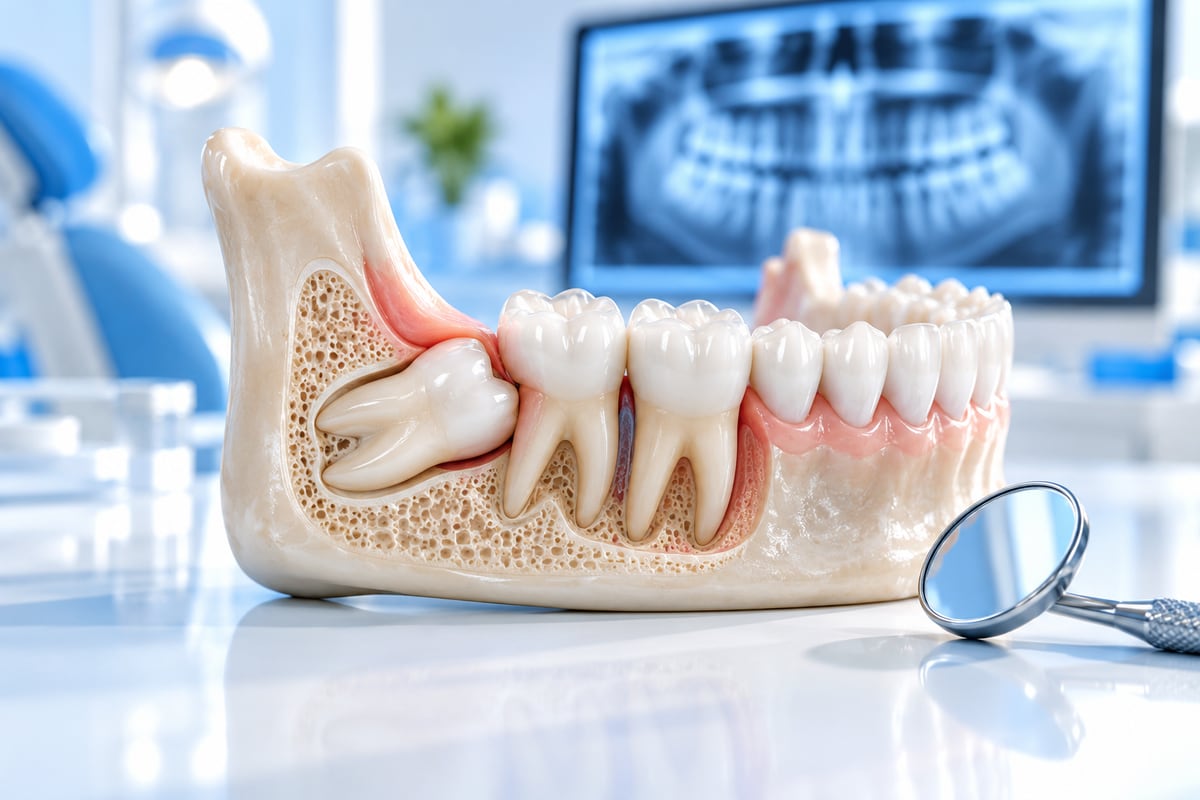
- Acute pericoronitis around a wisdom tooth.
- Prophylaxis before procedures for specific cardiac conditions.
| Situation | Antibiotic needed? | Correct treatment |
|---|---|---|
| Deep decay pain without swelling | No | Filling or root canal treatment |
| Acute pulpitis (throbbing at night) | No | Opening the canal to release pressure |
| Small localised abscess, no fever | Usually no | Drainage and canal treatment |
| Mild gingivitis with bleeding | No | Scaling and better hygiene |
| Spreading facial or neck swelling | Yes | Drainage plus prescribed antibiotics and urgent review |
| Fever with dental pain | Yes | Immediate assessment and treatment of the cause |
Which antibiotics are used
Amoxicillin is the usual first choice because it covers most oral bacteria; amoxicillin with clavulanic acid is used for more severe or unresponsive infections; metronidazole is added for anaerobic bacteria rather than used alone; clindamycin is the common alternative in penicillin allergy. "Broad spectrum" does not mean stronger — it means it also kills useful bacteria, which is a drawback, not an advantage.
Finish the course
A dental course is usually three to five days, sometimes seven. Stopping after two days because the pain eased kills the weaker bacteria and leaves the resistant ones — the perfect recipe for a harder infection next time. Contact your dentist if swelling has not improved within 48 to 72 hours: the drug may need changing, or the collection may need surgical drainage.
Side effects and interactions
Diarrhoea, nausea and stomach pain are the most common effects. Penicillin allergy ranges from a mild rash to a life-threatening reaction, so tell your dentist about any previous reaction. Alcohol must be avoided with metronidazole. Blood thinners, contraceptive pills, and kidney or liver disease all affect the choice, which is why your dentist needs your full medication list.
Antimicrobial resistance
Every incomplete or unnecessary course selects for bacteria that survive. The World Health Organization lists antimicrobial resistance among the top global health threats, and a significant share of dental antibiotic prescriptions worldwide is considered unnecessary. In practical terms: the person who takes an antibiotic every time a tooth aches may one day face an infection that no longer responds.
When it is an emergency
How a dental infection develops
Understanding the journey explains why a drug helps at one stage and does nothing at another. Plaque bacteria produce acids that dissolve enamel; decay then reaches the dentine and causes sensitivity; bacteria and their toxins inflame the pulp, producing spontaneous throbbing pain; the pulp eventually dies and the canal becomes a sealed bacterial reservoir; finally the infection escapes through the root tip into the bone and soft tissue, which is when swelling appears. Antibiotics become useful only at that last stage — yet most people buy them at the third.
Common oral infections and how each is treated
| Type | Typical signs | Primary treatment | Role of antibiotics |
|---|---|---|---|
| Pulpal abscess | Severe prior pain, then swelling; large decay or old filling | Open the canal, drain, root canal treatment | Only with spreading swelling or fever |
| Periodontal abscess | Gum swelling with a relatively sound tooth and a deep pocket | Deep cleaning and drainage of the pocket | Severe or recurrent cases |
| Pericoronitis | Pain at the back, limited opening, swollen gum flap | Local irrigation, cleaning, assess wisdom tooth | With swelling, fever or difficulty swallowing |
| Dry socket | Severe pain 2–4 days after extraction with bad odour | Cleaning the socket and a medicated dressing | Usually not needed; it is not an infection |
| Peri-implantitis | Redness and bleeding around an implant, sometimes pus | Implant surface cleaning and specialist follow-up | Depends on severity |
The same symptom can have very different causes, and each has a different treatment — which is exactly why no patient can decide for themselves that they need an antibiotic.
Same drug, different brand names
A frequent and avoidable mistake is taking two products with different brand names that contain the same active ingredient, or adding a second drug from the same family because the first "did not work". The active ingredient is always printed under the brand name — that is what matters. If you take more than one medicine, photograph the packs and show them to your dentist or pharmacist before starting.
After the course ends
- 1 Take yogurt or a probiotic at least two hours apart from the antibiotic during and after the course.
- 2 Drink plenty of water.
- 3 Watch for white patches or a burning tongue, which may indicate oral thrush.
- 4 Restart brushing and flossing as soon as the pain settles.
- 5 Keep the follow-up appointment: the swelling going down does not mean the tooth has healed.
That last point matters most. Many patients feel much better after three days, cancel their treatment appointment, and return two months later with the same problem — worse. The antibiotic paused the battle; the source of the bacteria is still inside the tooth.
When do antibiotics start working?
Antibiotics start acting on bacteria within hours of the first dose, but you usually feel better only after 24 to 48 hours, because the swelling and pain come from your body's inflammatory response, which takes time to settle even as bacterial numbers fall. Signs the drug is working include swelling that shrinks from the second day, a temperature returning to normal, easier mouth opening and swallowing, and pain that changes from constant throbbing to mild discomfort.
If you miss a dose, take it as soon as you remember unless the next dose is due soon — never double up. A culture and sensitivity test is rarely needed in dental infection, since the responsible bacteria are predictable; it is reserved for recurrent infections that do not respond, immunocompromised patients, or severe infections requiring hospital care.
Frequently asked questions
What is the best antibiotic for a tooth infection?
There is no single best option. Amoxicillin is the usual first choice for most dental infections, but the final decision depends on the infection, your allergy history and your other medicines, and is made by your dentist after an examination.
Do antibiotics relieve toothache?
No. They do not act as painkillers and cannot reach inside a root canal with no blood supply. Pain is managed with anti-inflammatories and paracetamol while the cause is treated.
How long is a dental antibiotic course?
Usually three to five days, up to seven in severe infections. Complete the full course even if symptoms improve quickly.
Do I need antibiotics after an extraction?
Not for a routine extraction. They are reserved for complex surgery, active infection or specific patient groups.
Can I buy them without a prescription?
You should not. Using them without a diagnosis delays proper treatment, masks warning signs and fuels resistance.
The bottom line
Antibiotics are an excellent medicine in the right place and a harmful one outside it. In dental infection that place is narrow: spreading swelling, fever, immunocompromised patients and selected cardiac prophylaxis. Ordinary toothache is treated with a procedure and appropriate pain relief — not with a tablet from the pharmacy shelf.
This article is general information for education only and does not replace an examination and diagnosis by a dentist. Every case is different, and the right treatment is decided by your dentist after an examination.
Have a question about your own teeth?
Book an examination at Dental Arts and the dentist will check your teeth and calmly explain the options that suit you.