Straightening teeth is not only about looks. Well-aligned teeth can be easier to keep clean, and correcting the bite helps spread chewing forces more evenly. Today the two most common options are fixed braces and clear aligners. Neither is simply better; the right choice depends on your teeth, your habits and your goals.
How each option works
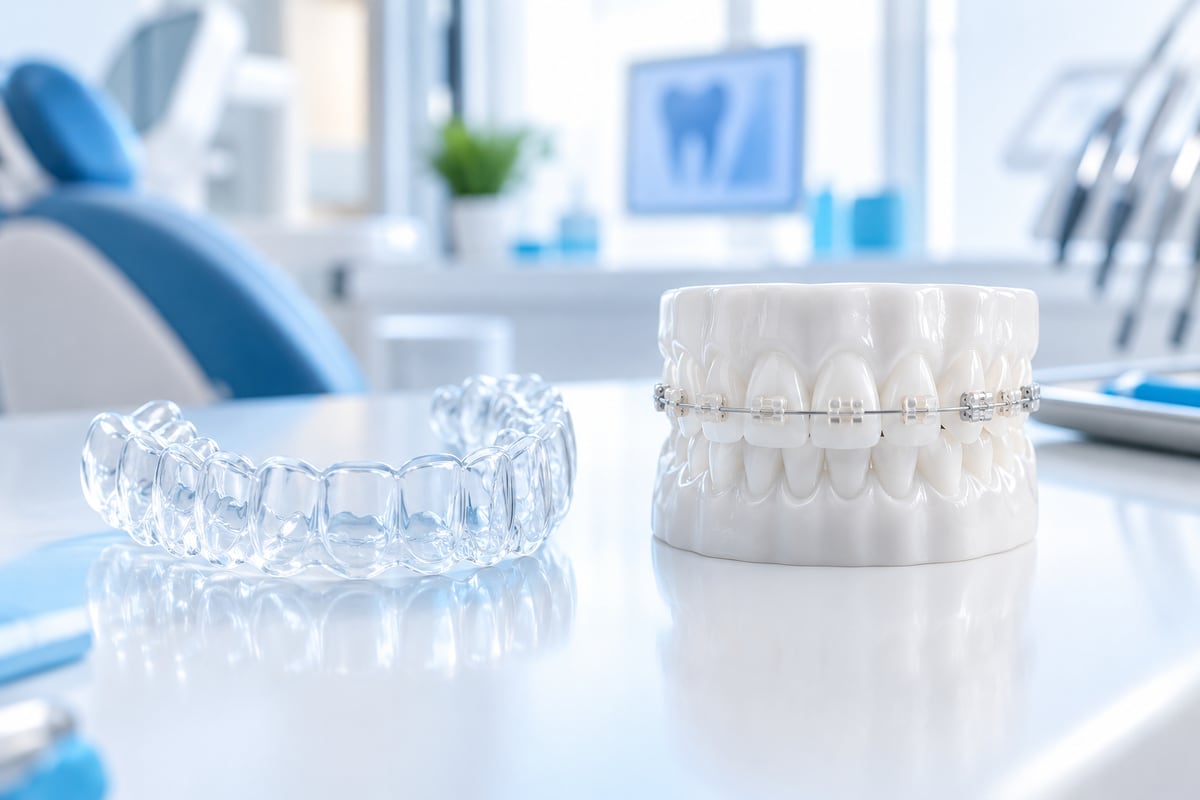
Both use gentle, controlled pressure to move teeth gradually. Fixed braces use small brackets bonded to the teeth and linked by a wire, which the orthodontist adjusts at follow-up visits. Brackets can be metal or tooth-coloured.
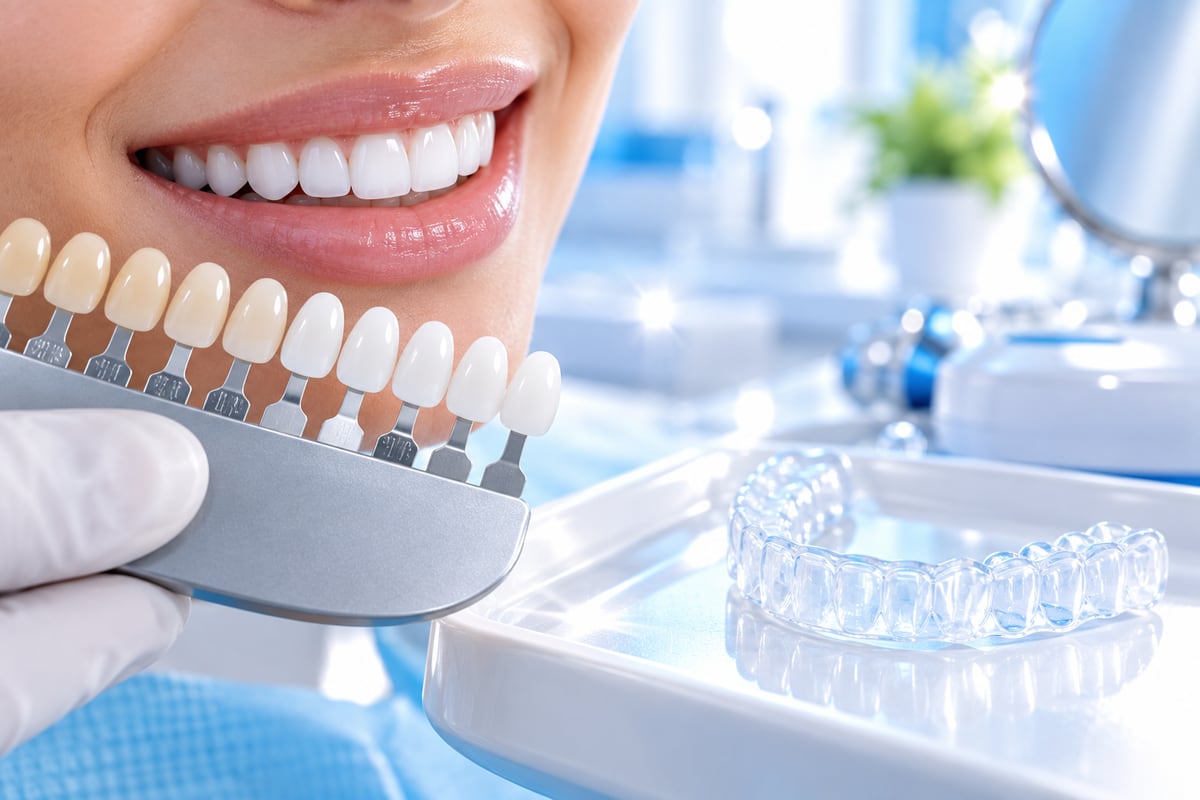
Clear aligners are a series of thin, removable plastic trays made to fit your teeth. Each set moves the teeth a little, and you switch to the next set on a schedule. Small tooth-coloured bumps called attachments are sometimes bonded to certain teeth to help the aligners grip.
Things to weigh
- Type of case: braces can handle a wide range of movements, including many complex cases. Aligners suit many cases too, but some tooth movements are harder to achieve with them, and only an assessment can tell which applies to you.
- Commitment: aligners only work while you wear them, usually around 20 to 22 hours a day. Braces work all the time because you cannot take them out.
- Appearance: aligners are hard to notice, and tooth-coloured brackets are less visible than metal ones.
- Eating: with aligners you take the trays out to eat, then brush before putting them back. With braces you eat with them in, but hard and sticky foods should be avoided.
- Cleaning: aligners come out, which makes brushing and flossing easier. Braces need extra care to clean around the brackets and wire.
- Comfort: both can feel tight or sore for a few days at the start or when moving to a new stage. Braces may also rub the inside of the cheeks in the first weeks.
Age and timing
Orthodontic treatment can be done at almost any age, as long as the teeth and gums are healthy. For some children, an early check helps pick up bite or jaw growth problems that are easier to guide while they are still growing. Many adults prefer aligners for their discreet look, but the same rule applies: the case decides.
Retainers are part of the treatment
Teeth tend to move back towards their old positions after treatment. That is why almost everyone needs a retainer afterwards, either removable or a thin wire fixed behind the teeth. Wearing it as instructed protects the result you worked hard for.
Questions to ask at your consultation
- Which options are suitable for my teeth, and why?
- Roughly how long might treatment take in my case?
- How often will I need follow-up visits?
- What kind of retainer will I need afterwards, and for how long?
Treatment time and cost vary from one case to another, so an examination is the only reliable way to know what to expect.
This article is general information for education only and does not replace an examination and diagnosis by a dentist. Every case is different, and the right treatment is decided by your dentist after an examination.
Have a question about your own teeth?
Book an examination at Dental Arts and the dentist will check your teeth and calmly explain the options that suit you.